

Embracing History
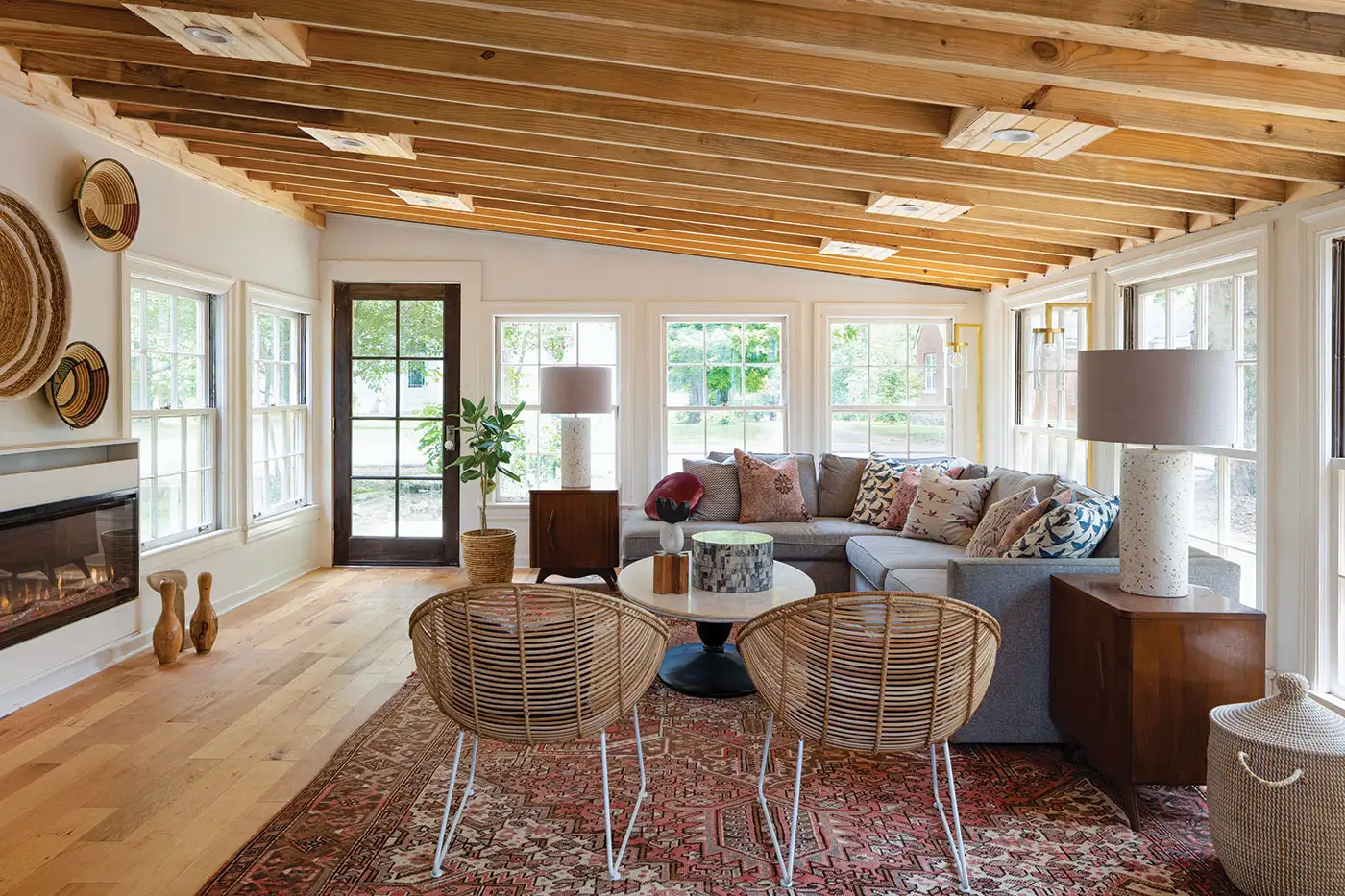




A 1920s country home retains its historic charm while receving needed updates.
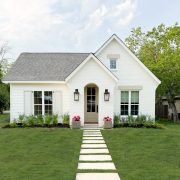
Striking the perfect balance between modernizing an older home while maintaining all the vintage charm that attracted you to it in the first place can be a difficult line to walk. For Holly Thompson, designer and owner of Holly Thompson Design (with studios in downtown Franklin and Nashville, Tennessee), finding this balance was the main goal when renovating her 1920 bungalow. “If you can go with the house rather than fight against it, you get the best result,” Holly says.
Learn how to decorate with architectural salvage in your own home at americanfarmhousestyle.com.
A Country Bungalow
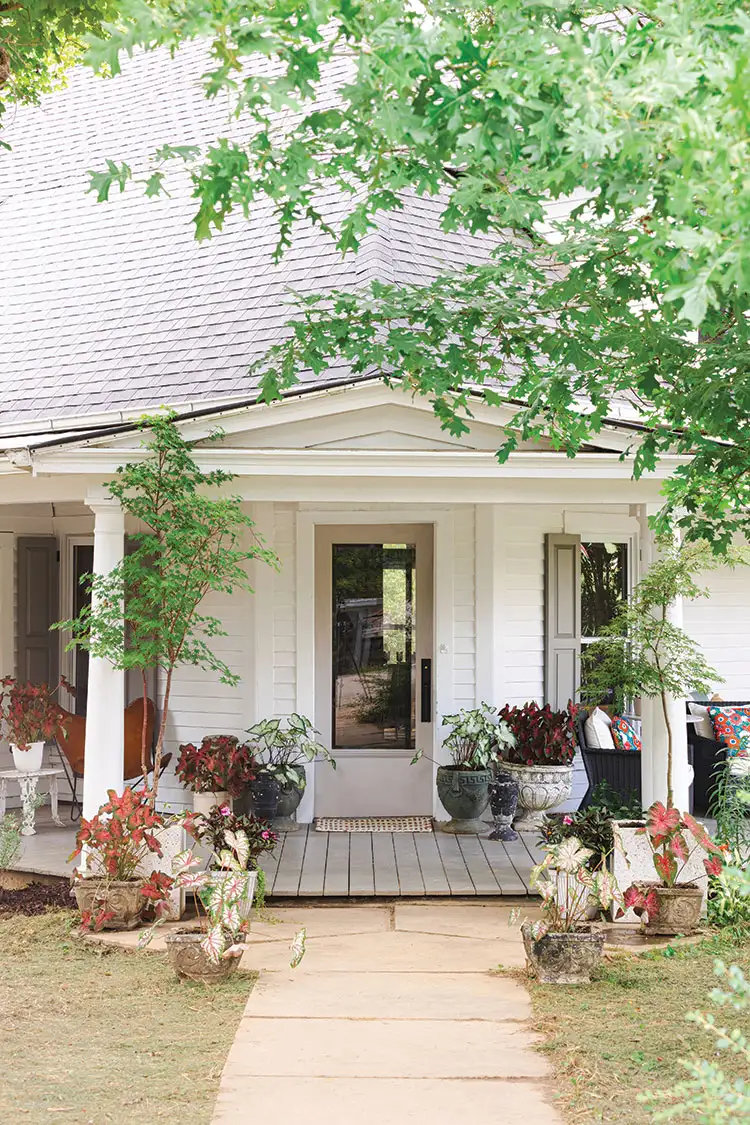
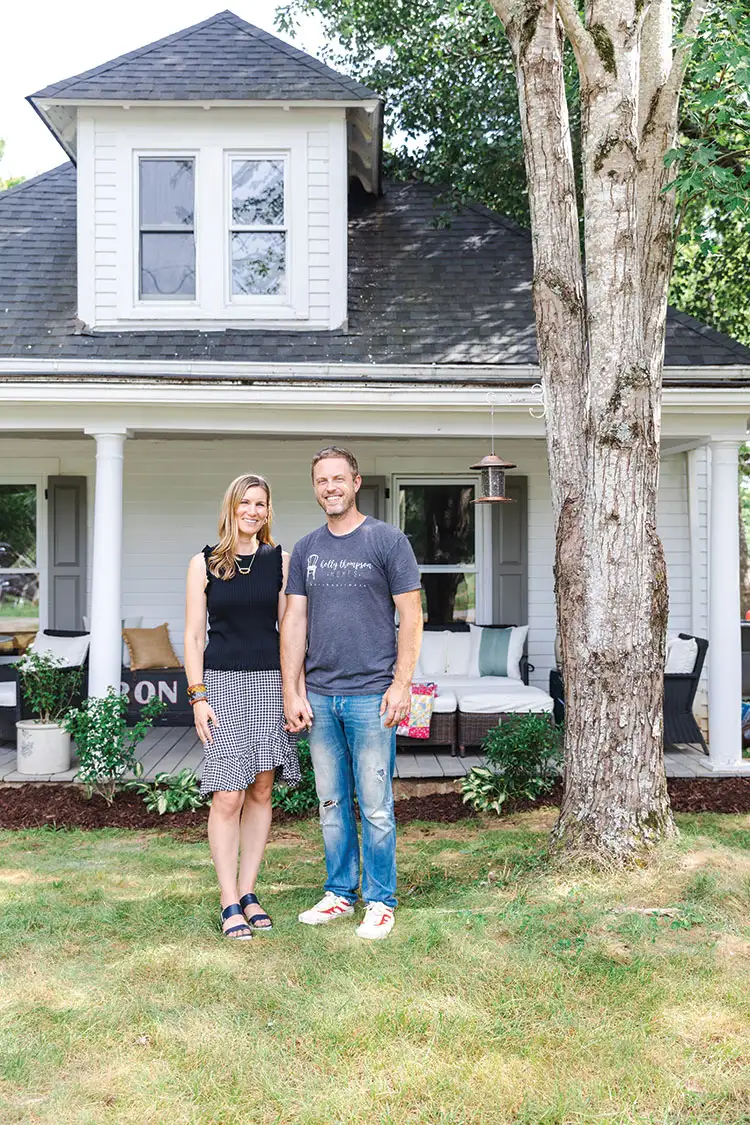
Just an hour outside of Franklin, Tennessee, the home is in a lovely rural town, offering Holly, her husband, David, and their kids the opportunity to enjoy life in an idyllic pastoral setting. In their renovation, they added two large areas and brought some fresh, modern elements to the remodel, all while maintaining the vintage feel.
Love this home? It’s on the market! Check out the link below to learn more.
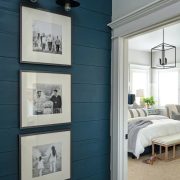
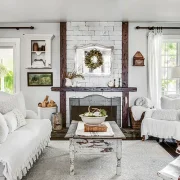
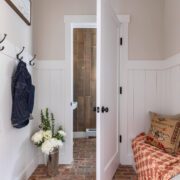
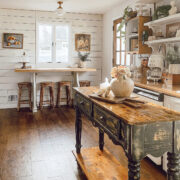
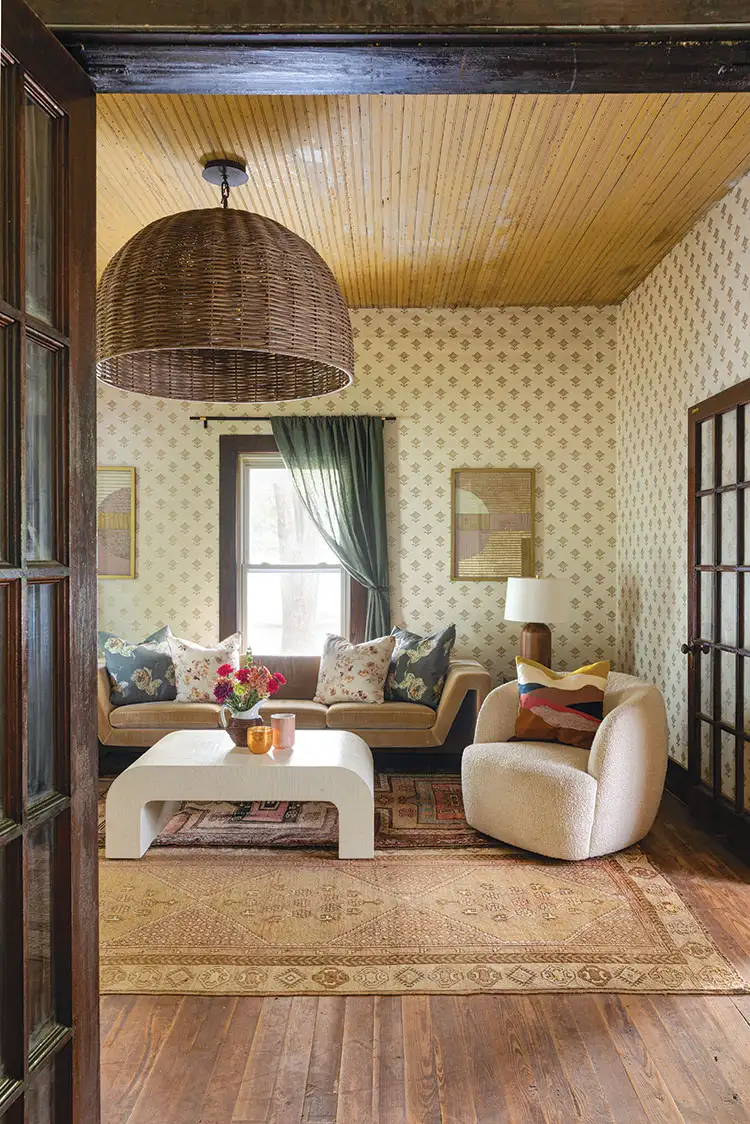
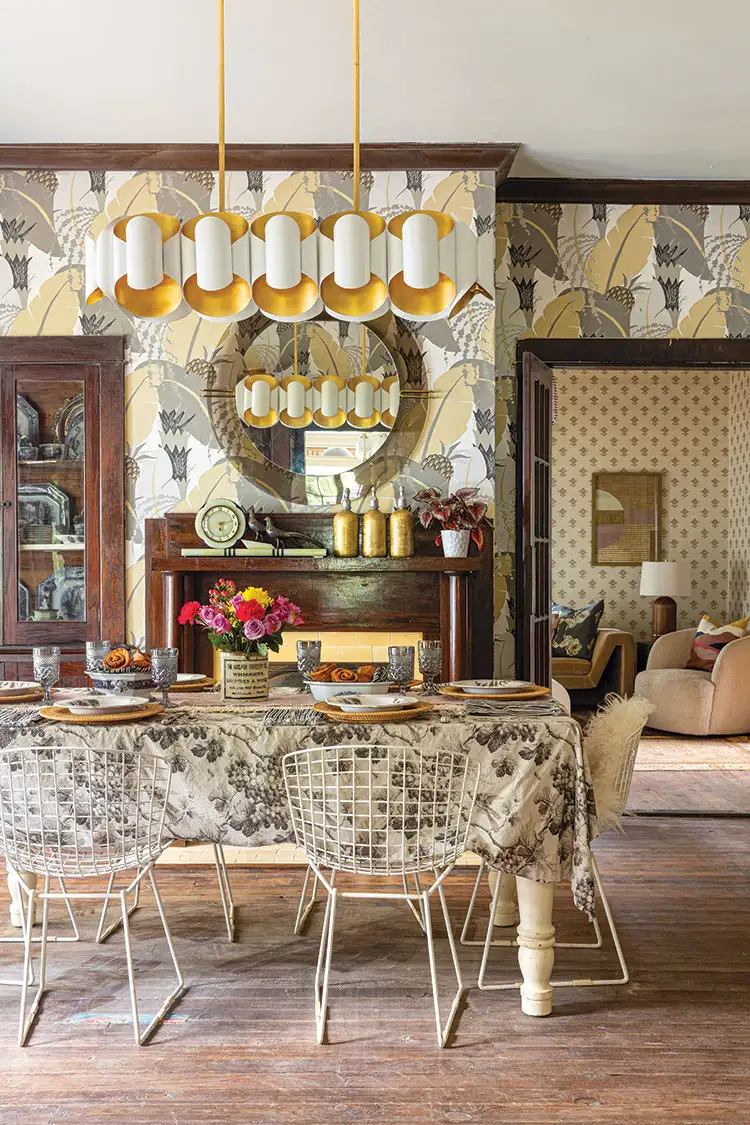
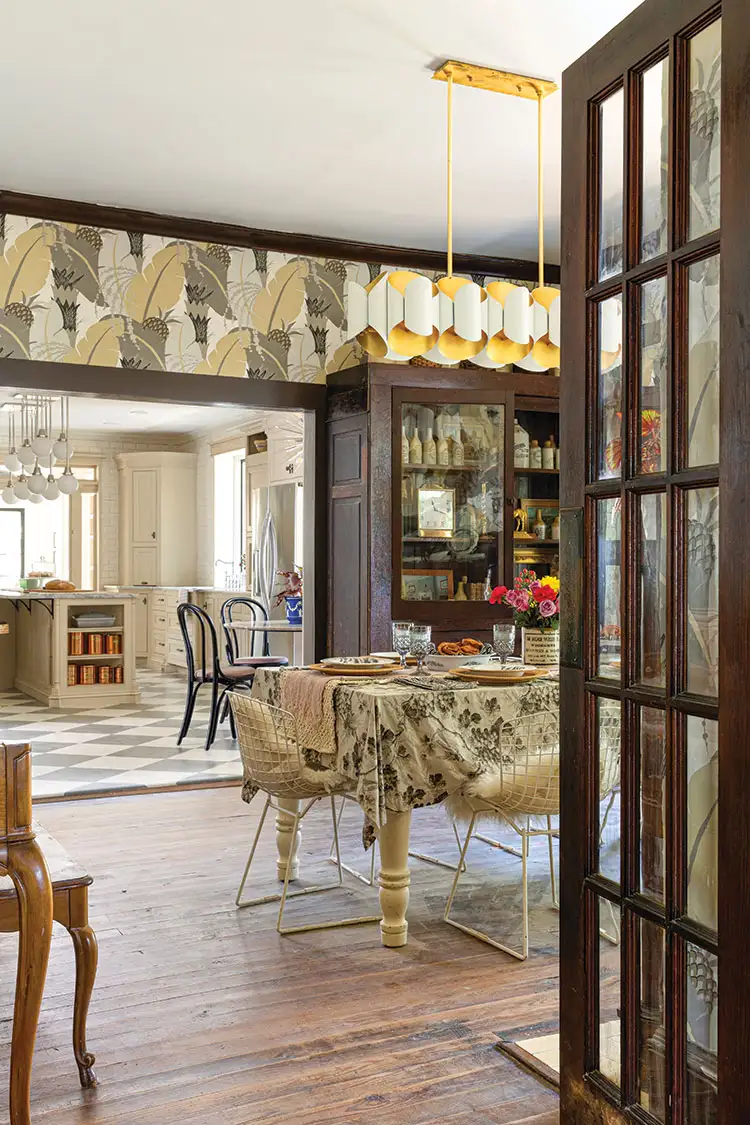
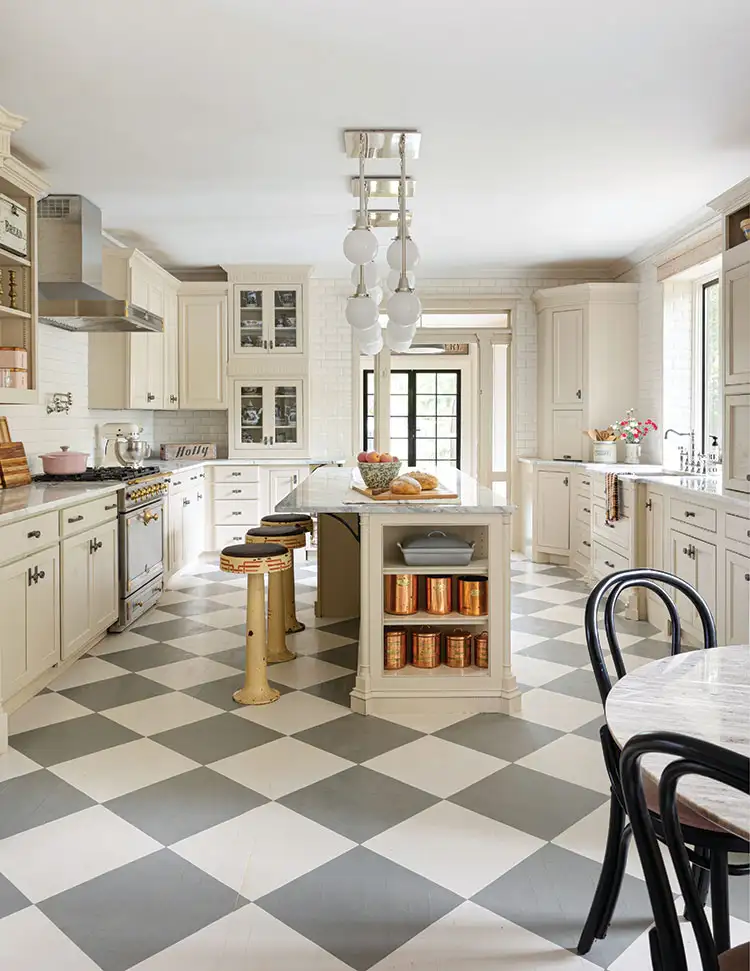
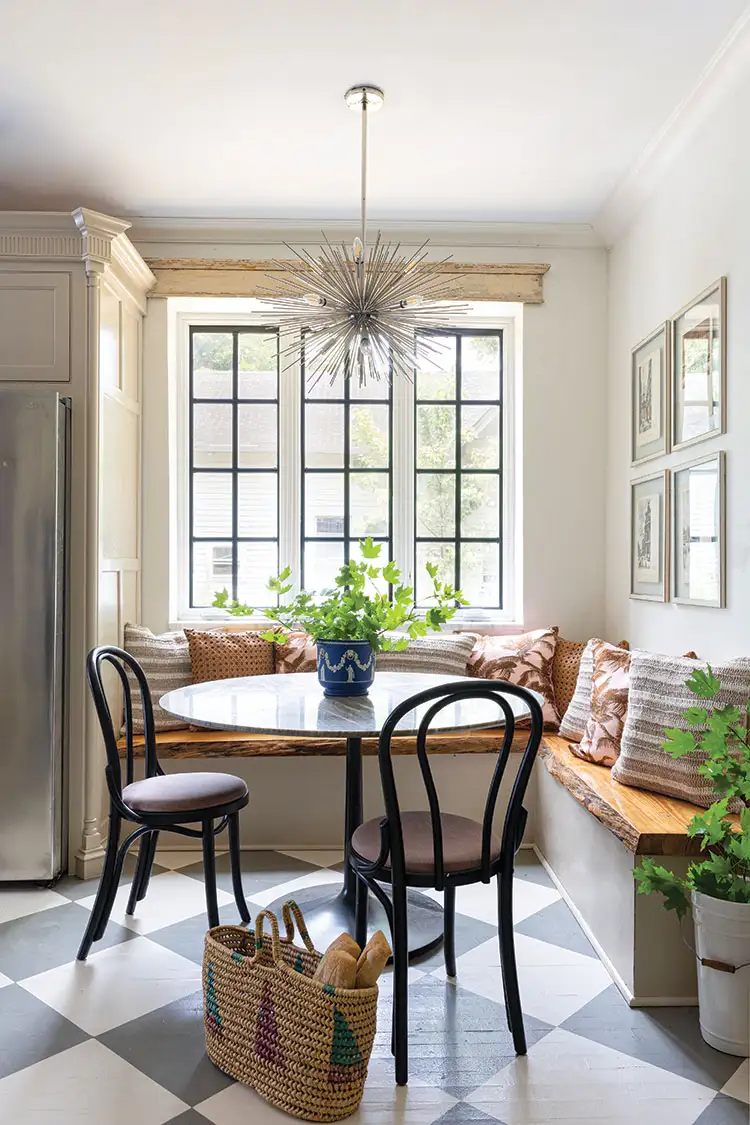
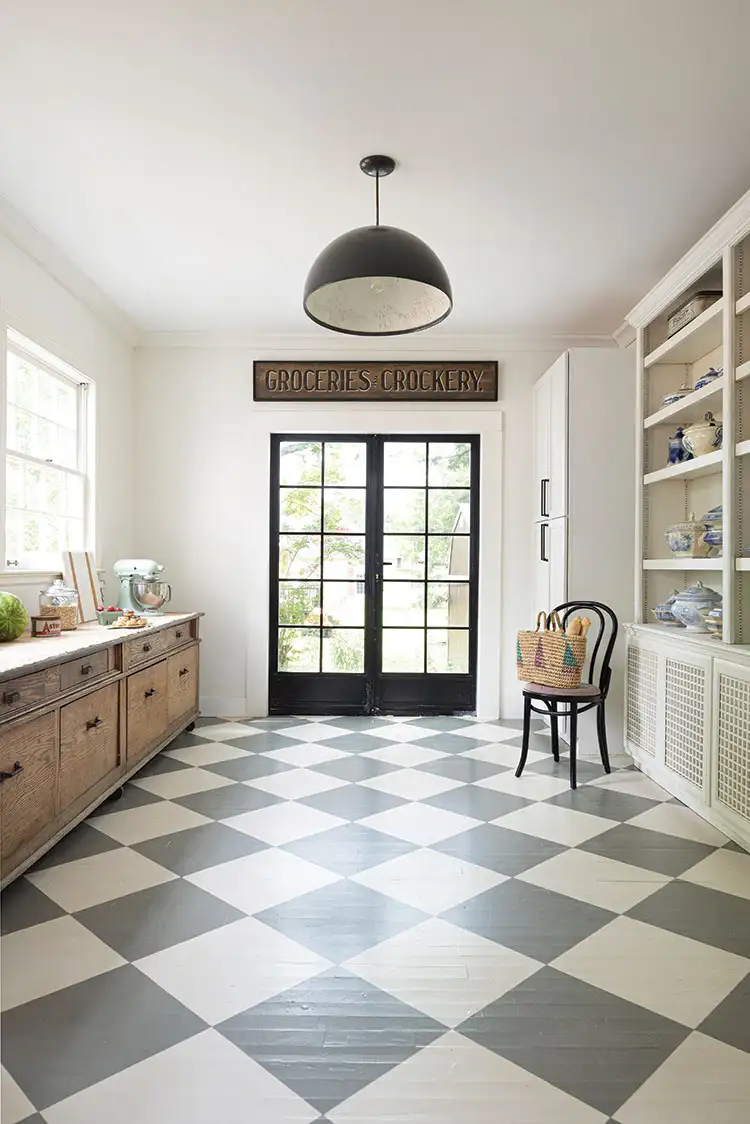
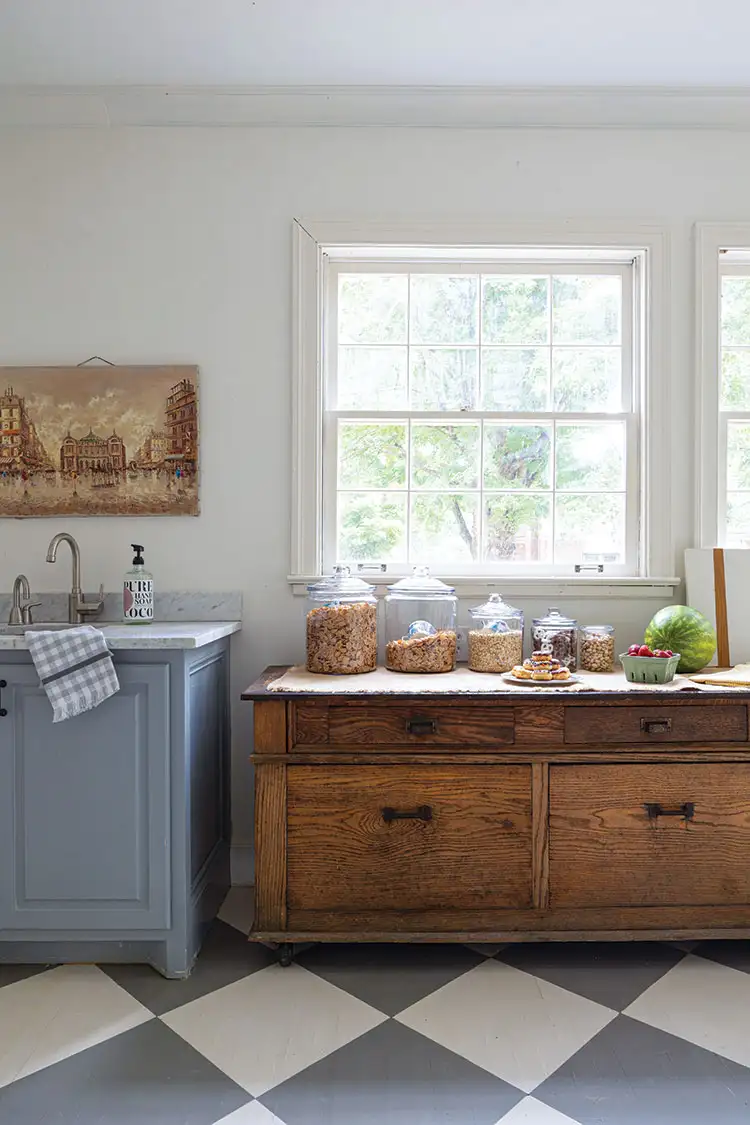
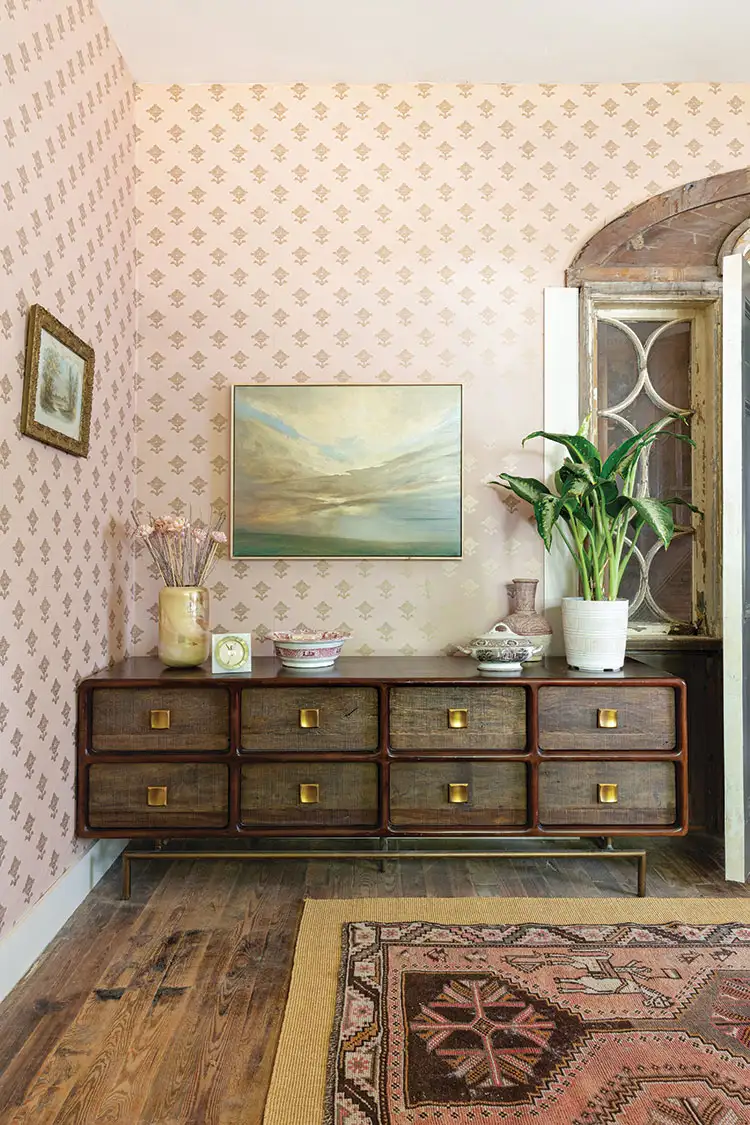
“The finishes are really nice and everything is touched, but we kept the old character,” says Holly. Elements like doors, doorknobs, fireplaces and the hardwood floors are all original to the home. Even where Holly made additions, she often opted for salvaged materials over sourcing new materials. Examples of this include the windows and door in the sunroom and the metal door in the pantry.
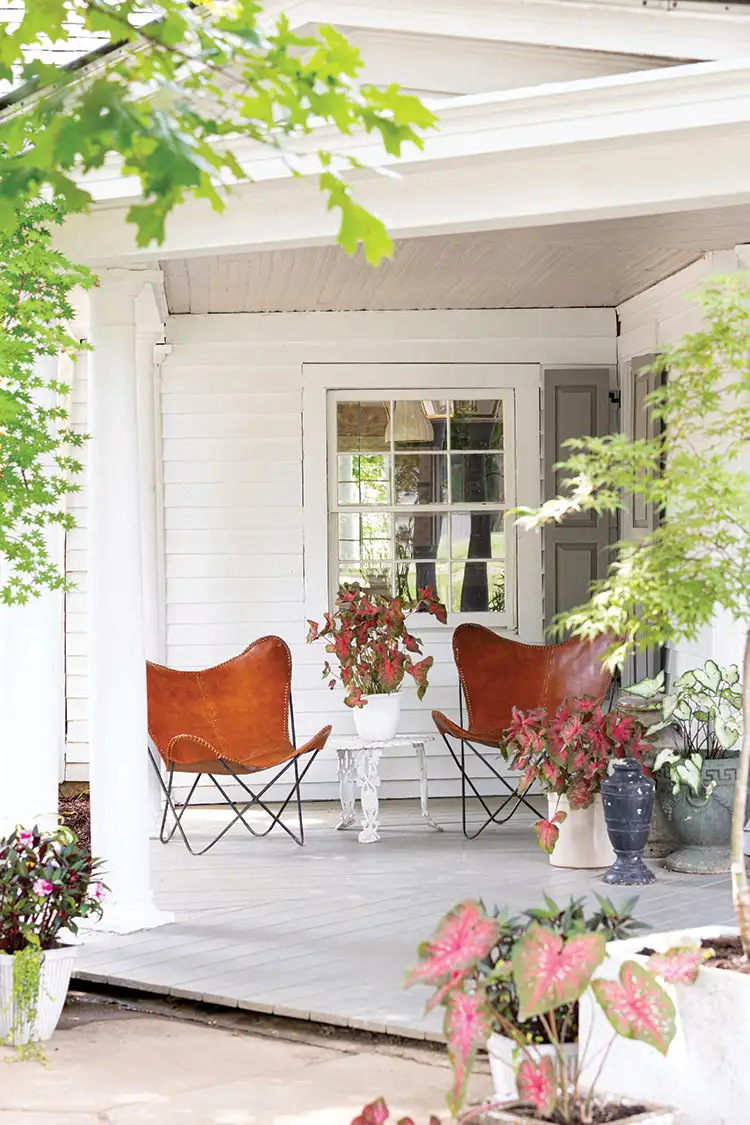
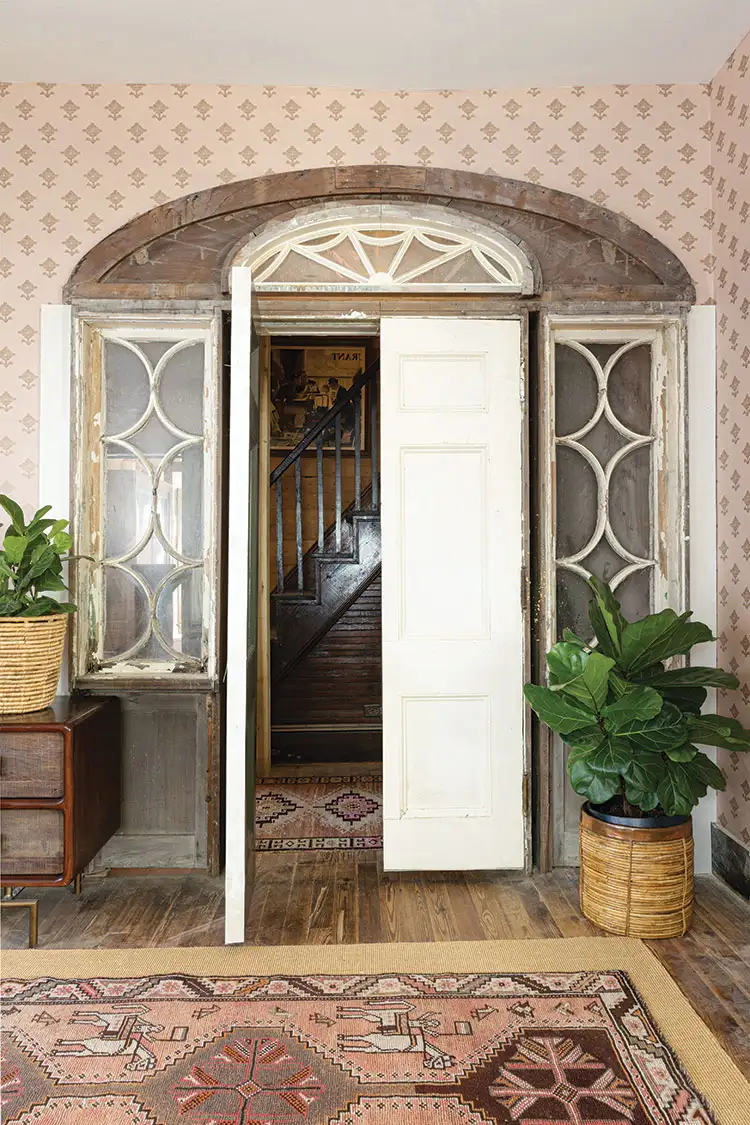
Mixing modern and vintage is a great way to keep the modern from being too cold and the vintage from being too old feeling.
Taking Risks
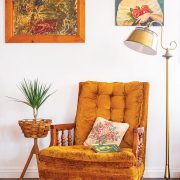
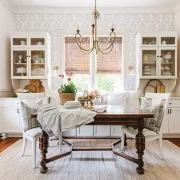
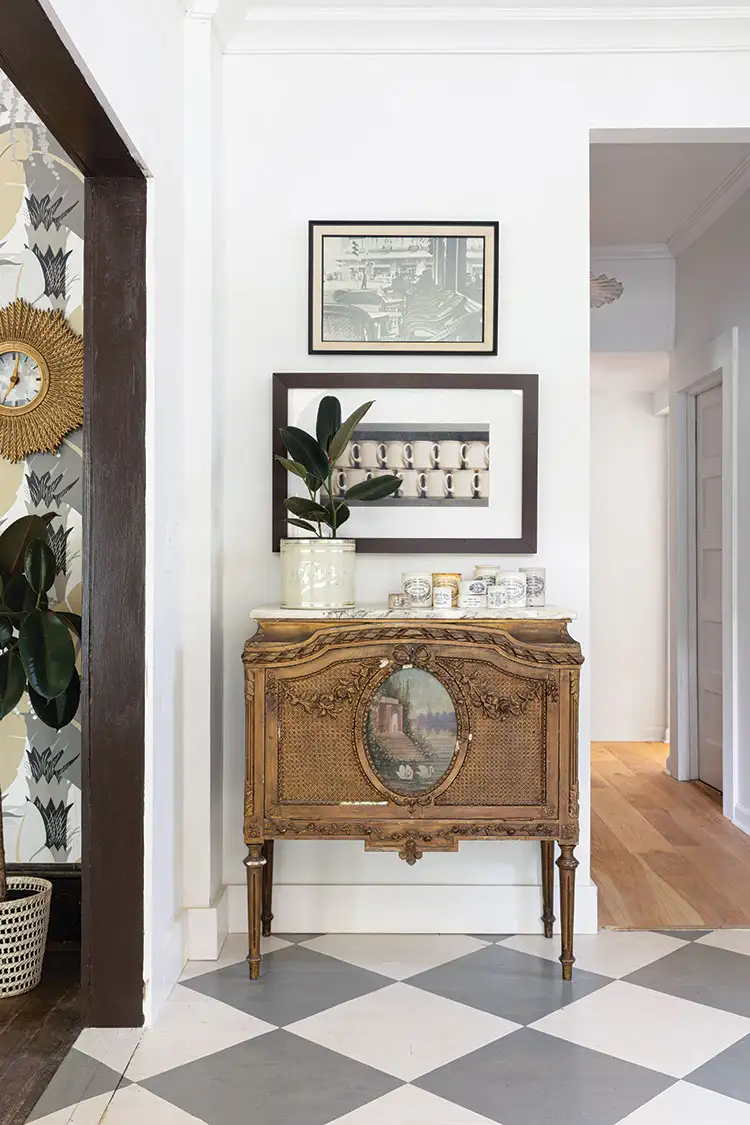
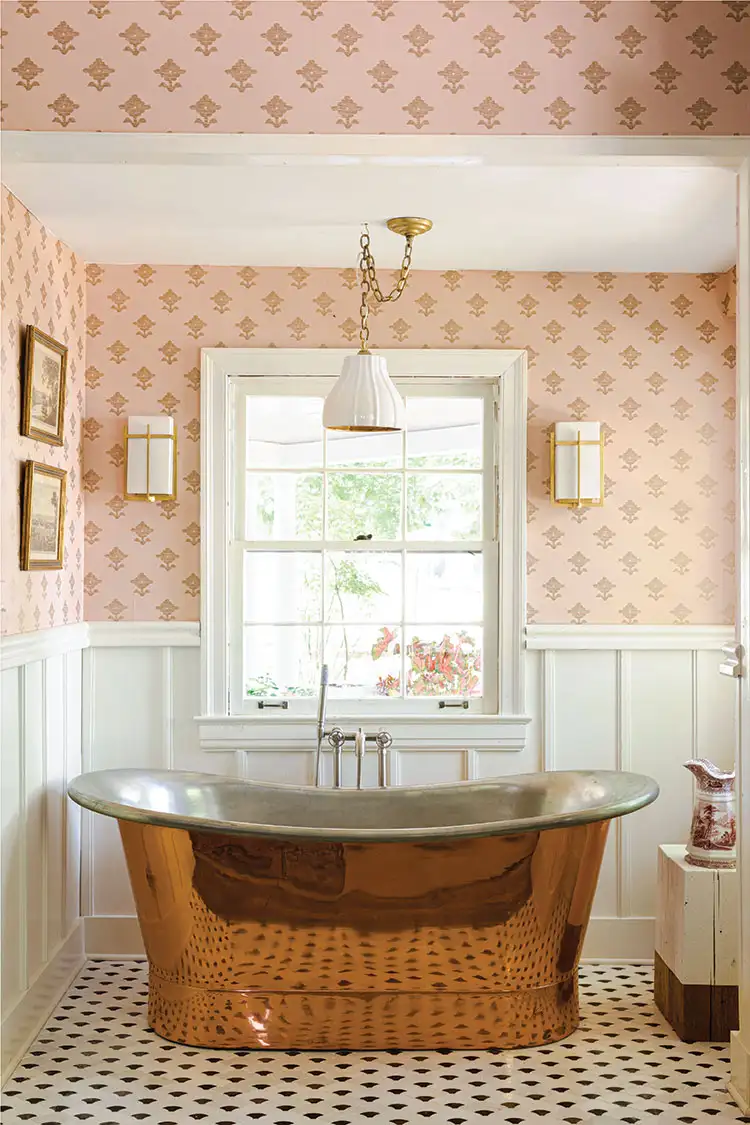
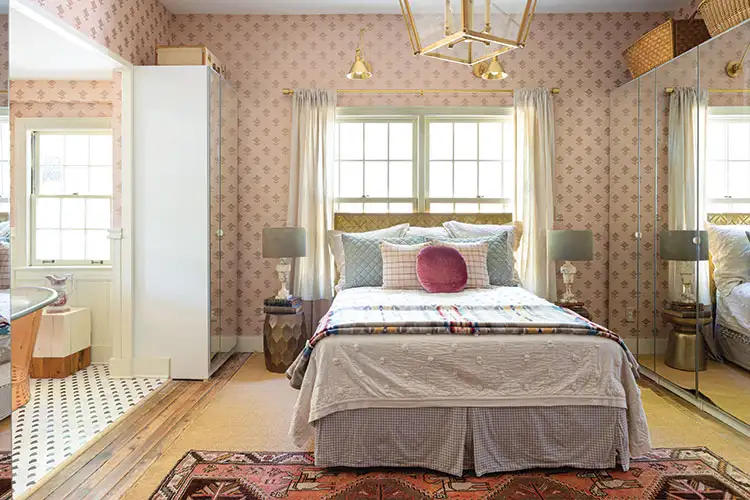
With the right number of modern touches to keep it from feeling fussy or dated, the renovated bungalow never veers into what Holly calls “museum” territory. In fact, it’s this fabulous mix that lends the home its unique feel. Modern light fixtures against retro Schumacher wallpaper and chic, modern coffee tables over layered vintage rugs create that perfect blend. Most importantly, she’s not afraid to mix things up if a design isn’t quite working. “I love to decorate with vintage rugs,” she says. “It gives you the opportunity to pull together colors and patterns you wouldn’t expect.”
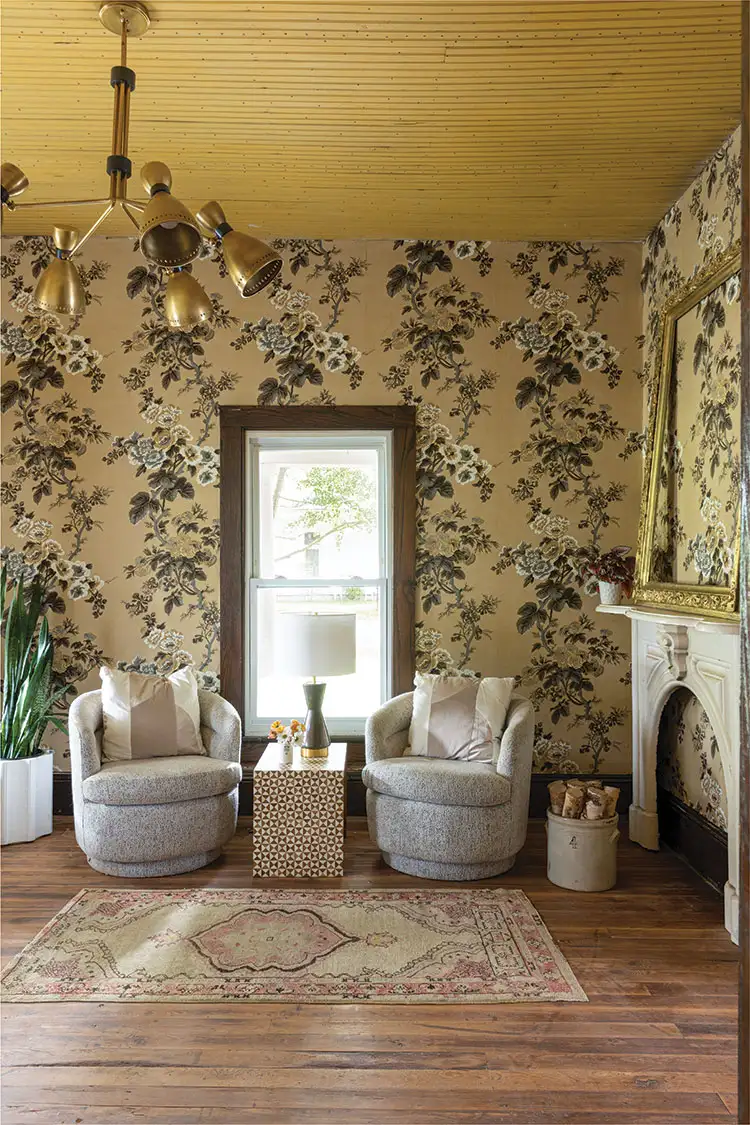
Playful Design
The home’s cohesive design creates a beautiful flow between the spaces, and Holly took advantage of the plentiful rooms and corners that could serve as their own unique nooks. “It has all of these amazing spaces for being at home while not feeling like you’re in the same spot the whole time,” she says. Especially in the era of “work from home,” this is particularly appealing.
Holly’s parting advice for decorating your home? “Being playful and fun with the space gives you the best result because it’s your house—and if you’re going to live there, you might as well like it,” she says.
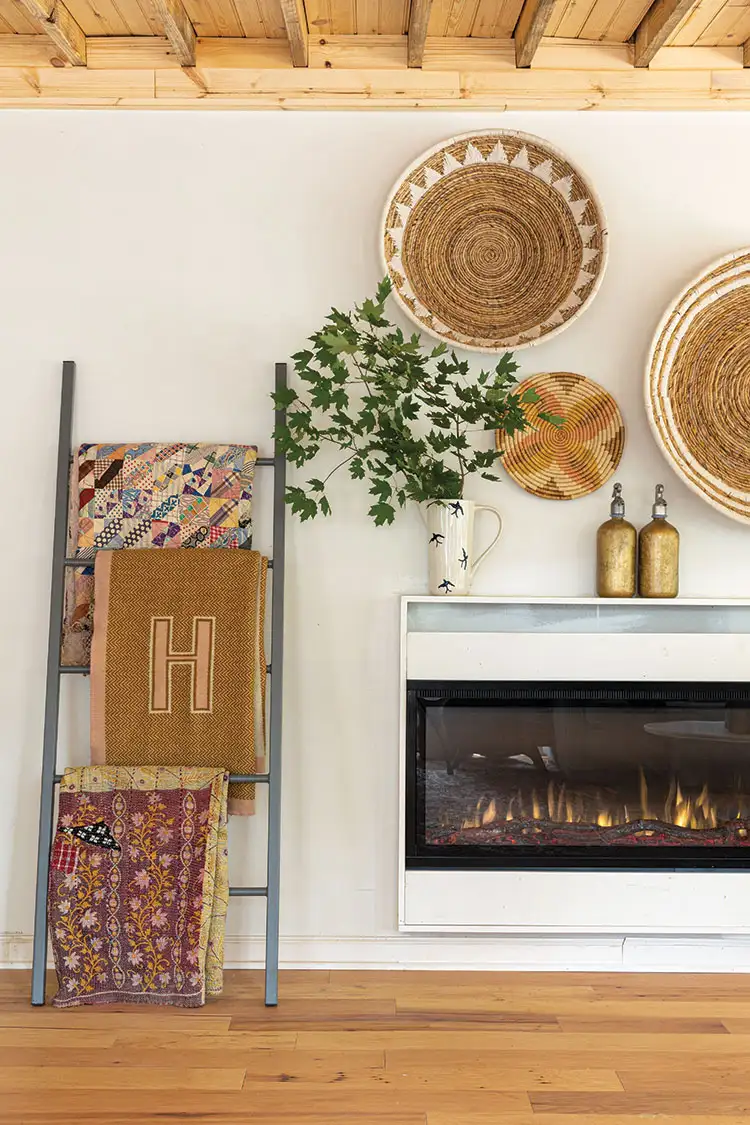
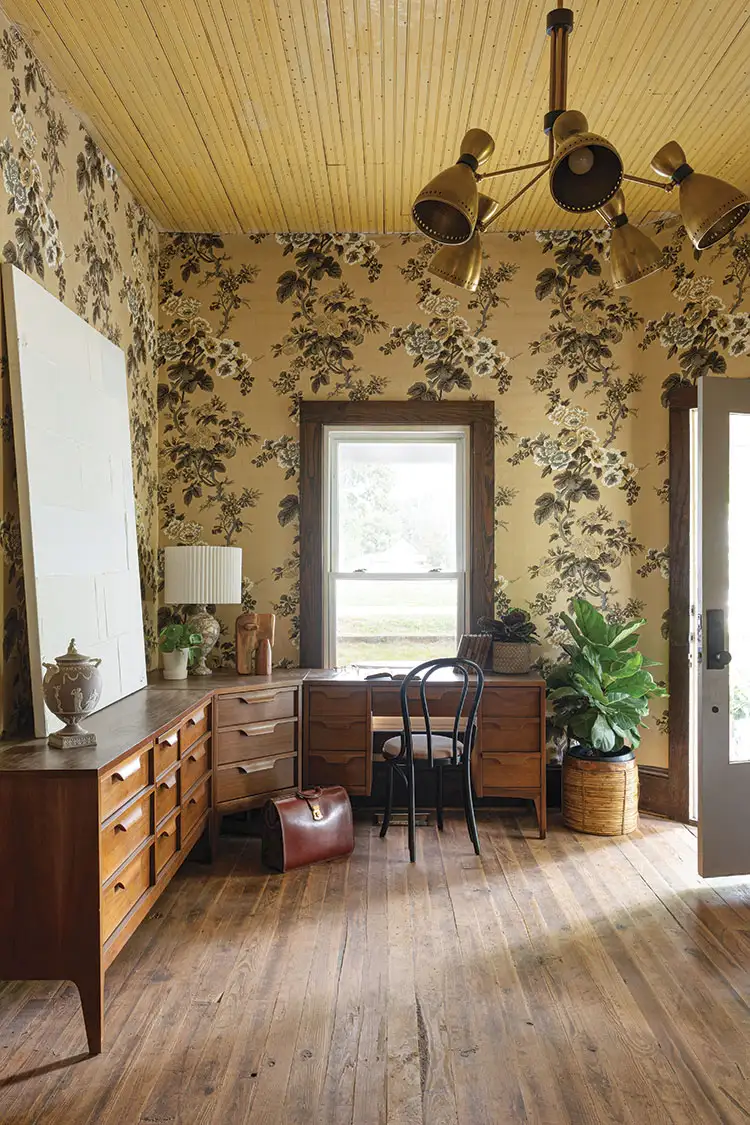
Although Holly stayed true to the home’s century-old roots, she also felt inspired to introduce some modern elements, particularly with the new additions to the space like the bright sunroom.
“I tried to add a lot of light to the house to keep it open and airy,” says Holly. “I went a little bit more with the modern boho feel.”
DIY: Restoring A Vintage Door
Doors make great design statements in the home. If you appreciate a good salvage piece, incorporating a restored vintage door is a wonderful way to add charm and character.
Follow these steps to replicate Holly’s door restoration.
What You’ll Need:
Screwdriver and hammer
Paint stripper
Paint scraper
Gloves
New doorknob (optional)
Sander
Stain (optional)
Paint (optional)
What You’ll Do:
Take the door off the wall using the necessary tools. You’ll want to move it where you can apply the paint thinner freely (ideally outdoors or in a space that allows for proper ventilation).
Remove the doorknob and any other hardware.
Apply paint thinner according to the directions and wait for the required amount of time.
Scrape the paint off. For doors with many layers, it may be necessary to repeat steps 3 and 4 until the old paint has been removed.
Once you see the condition and tone of the natural wood, decide if you’d like to stain it or paint over it. Sand the door to prepare it.
Wipe the door down with a soft cloth to ensure it is free of debris; this will help the stain or paint adhere properly. Apply your finish and allow to dry.
Reattach the old doorknob or add a new one. Install the door, and enjoy!
Keeping it Country
Combine unexpected elements with farmhouse style while maintaining an effortless classic country look.
Start small. If the larger elements of your home have a farmhouse look, adding in smaller items will not detract from the overall design. A mid-century modern table lamp on an antique wooden trunk is a fun mix!
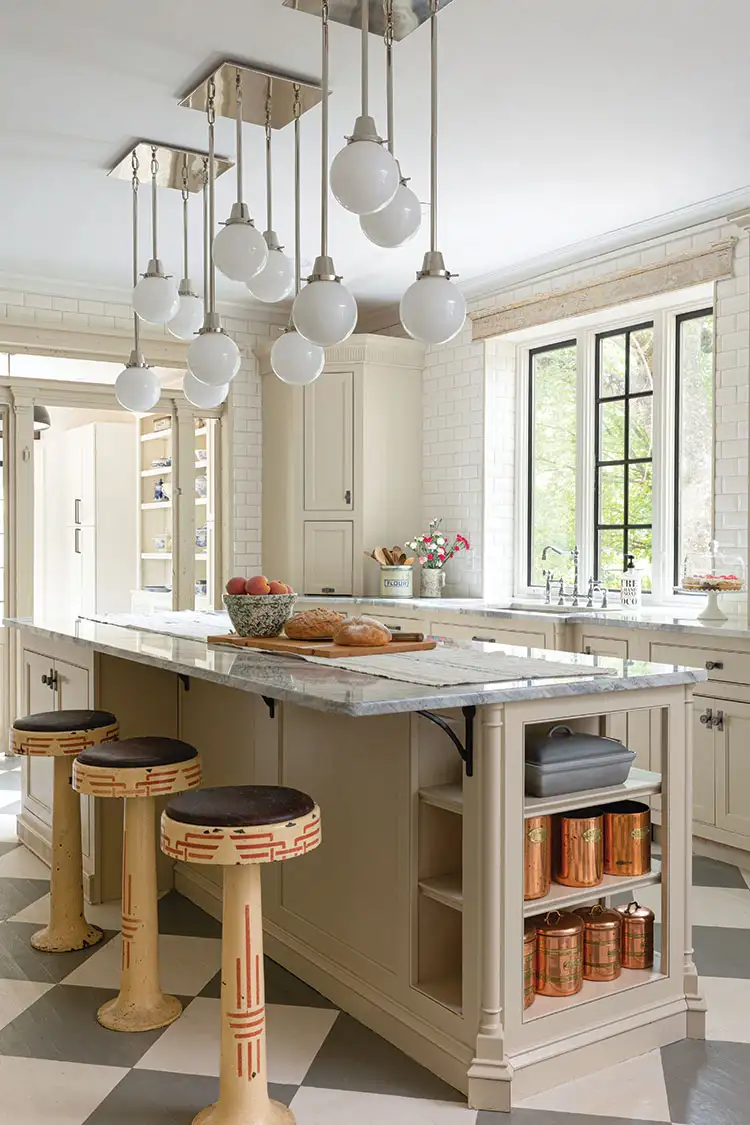
Farmhouse framing. If the perimeter of a room reads farmhouse thanks to hardwood floors, white or neutral walls, and the like, feel free to add more playful elements, such as a boho blanket or contemporary coffee table. Finish with a vintage rug.
Light the way. Light fixtures are a perfect way to experiment with style. If you’re looking to add a more industrial feel, a steel pendant light is always a good choice. For a bit more glamour and softness, try a chandelier globe.
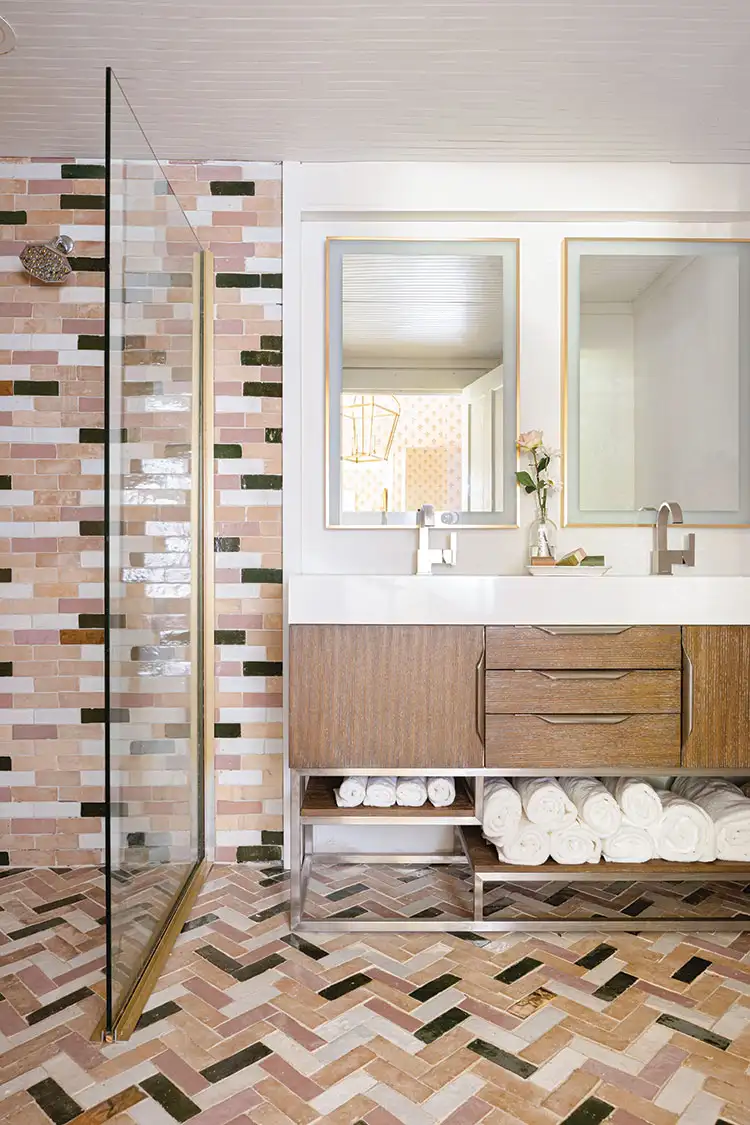
To see more of Holly’s work visit hollythompsondesign.com.


