





Growing Roots




After living in eight different homes, a couple works to put down roots in a northern Florida farmhouse.
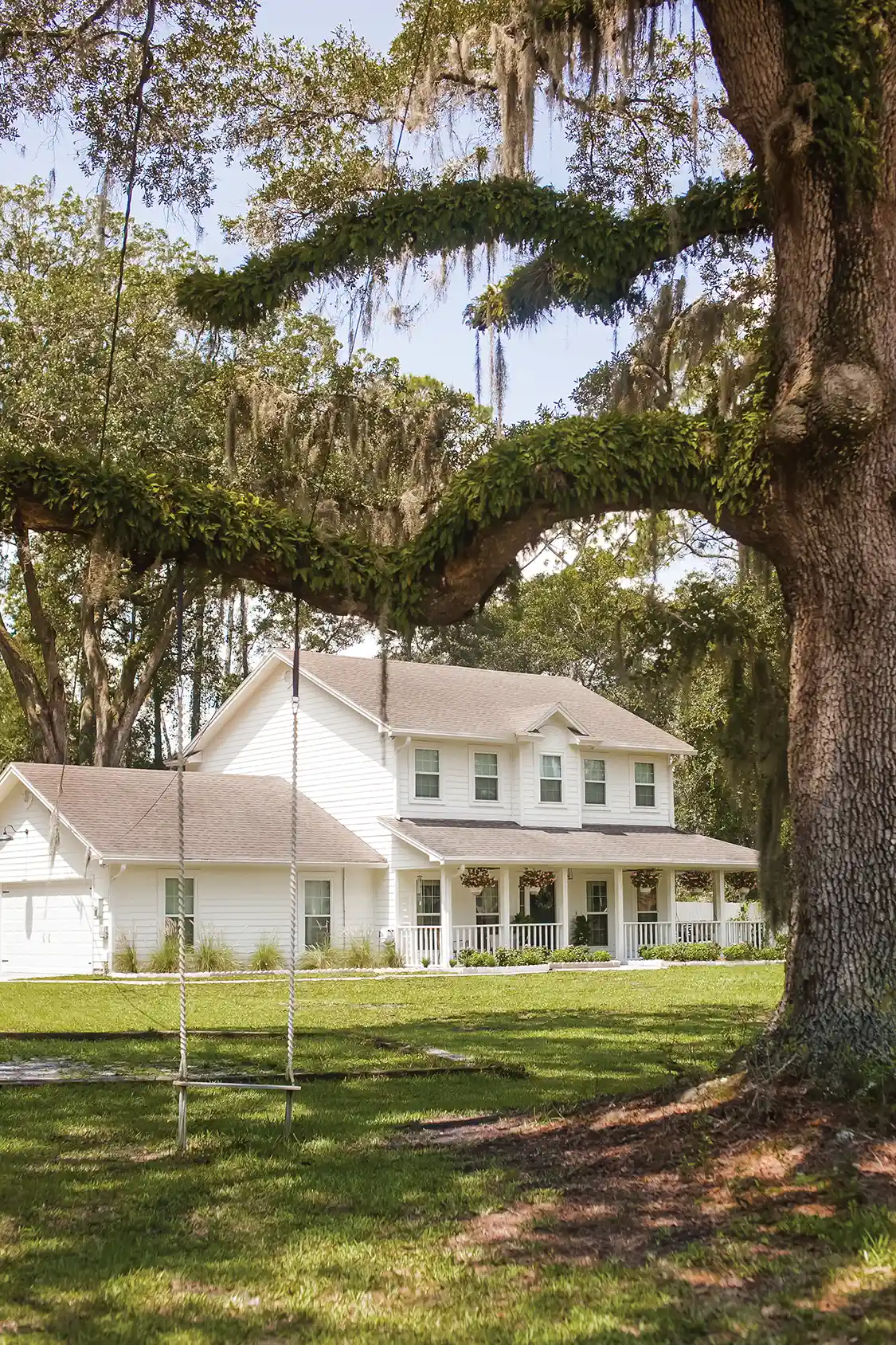
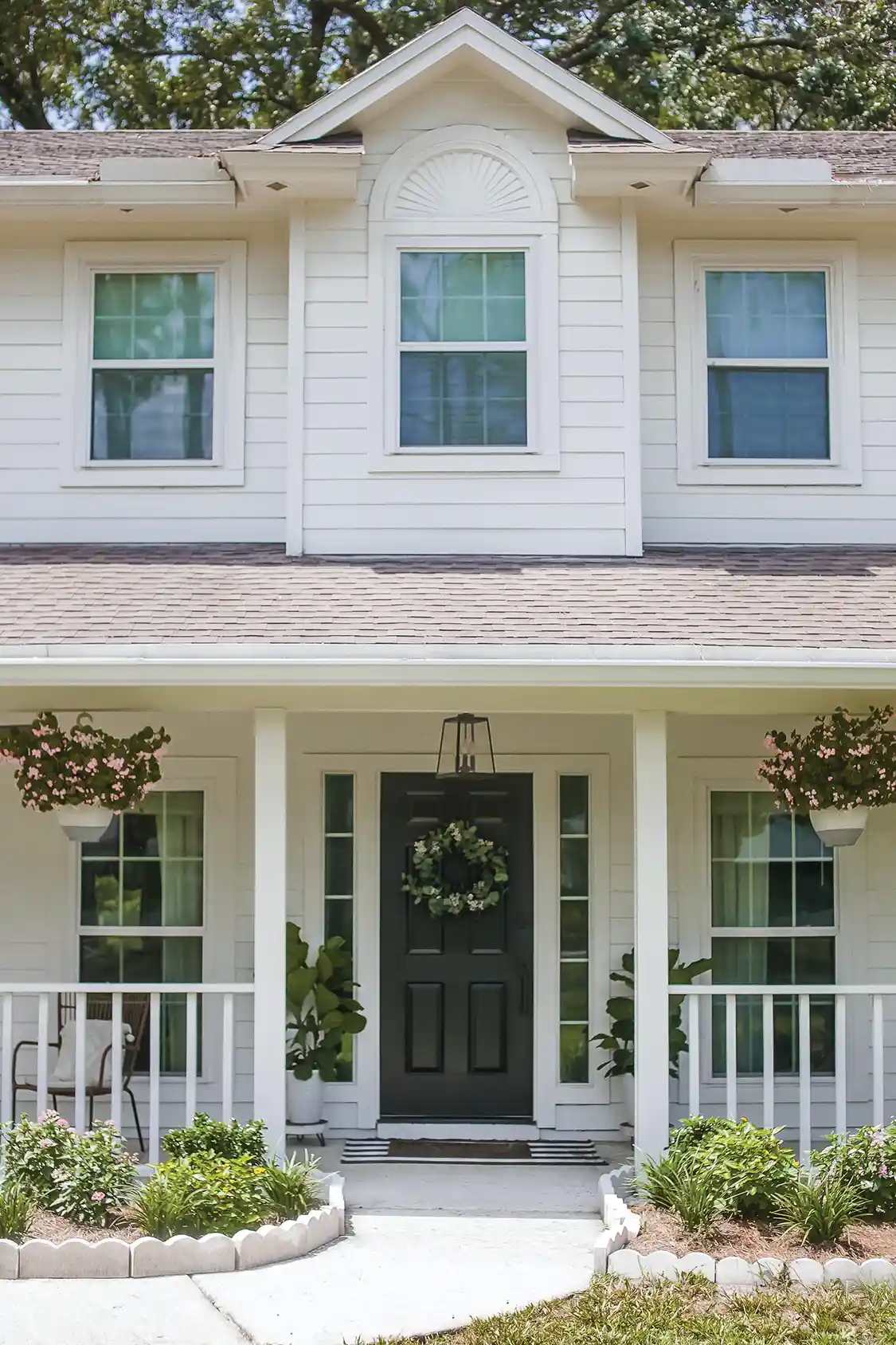
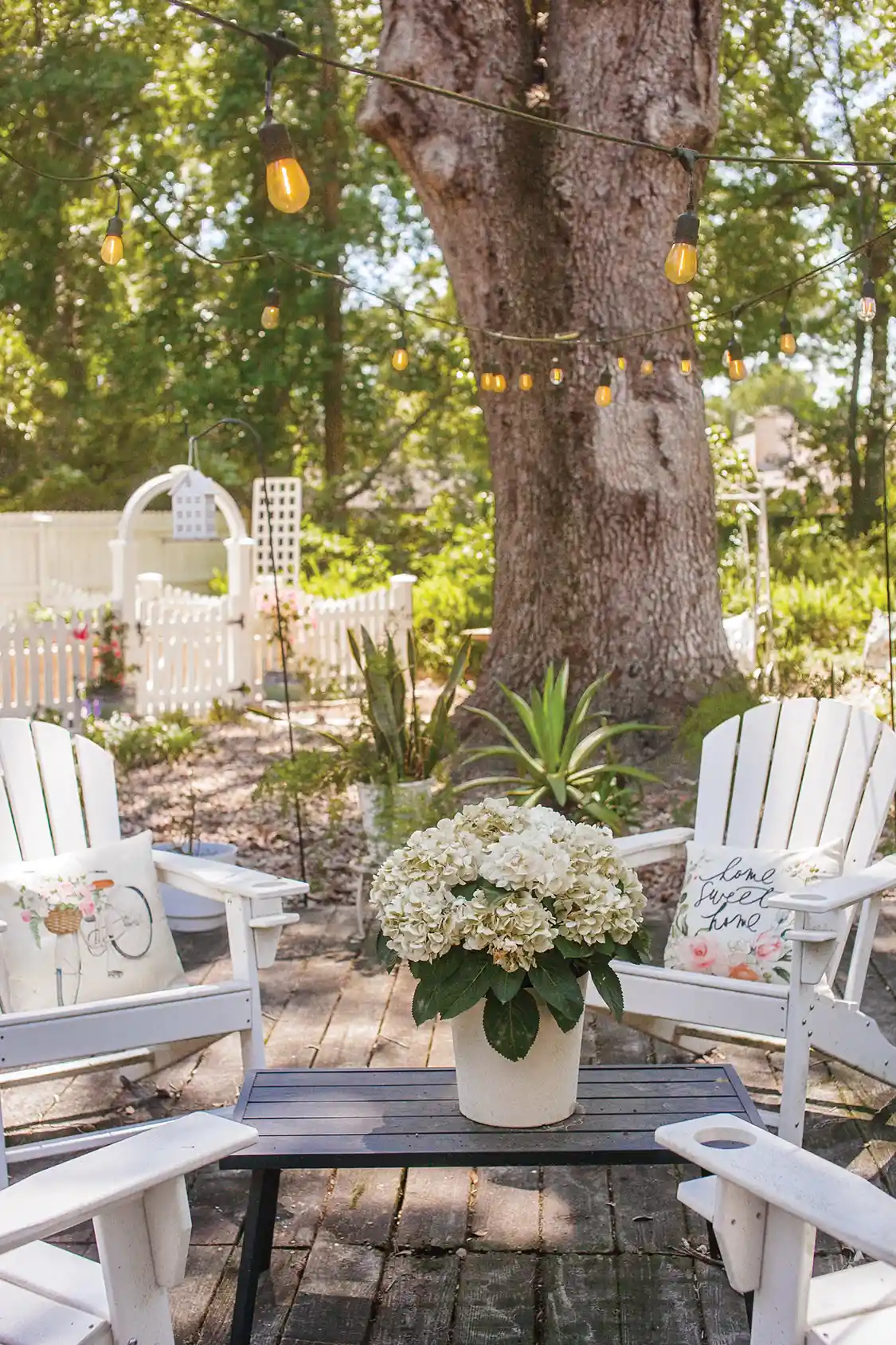
The old oak tree at the front of the property is a classic for the south, with Spanish moss dripping from its branches. “When I saw this house, the thing I loved the most was the large oak tree that frames the house,” Scarlett says. “It’s such a romantic, old-fashioned tree style. Our area is historic and has these trees you drive under with the Spanish moss hanging down. We have another huge one behind the house.”
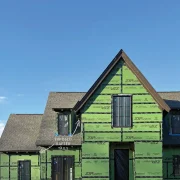
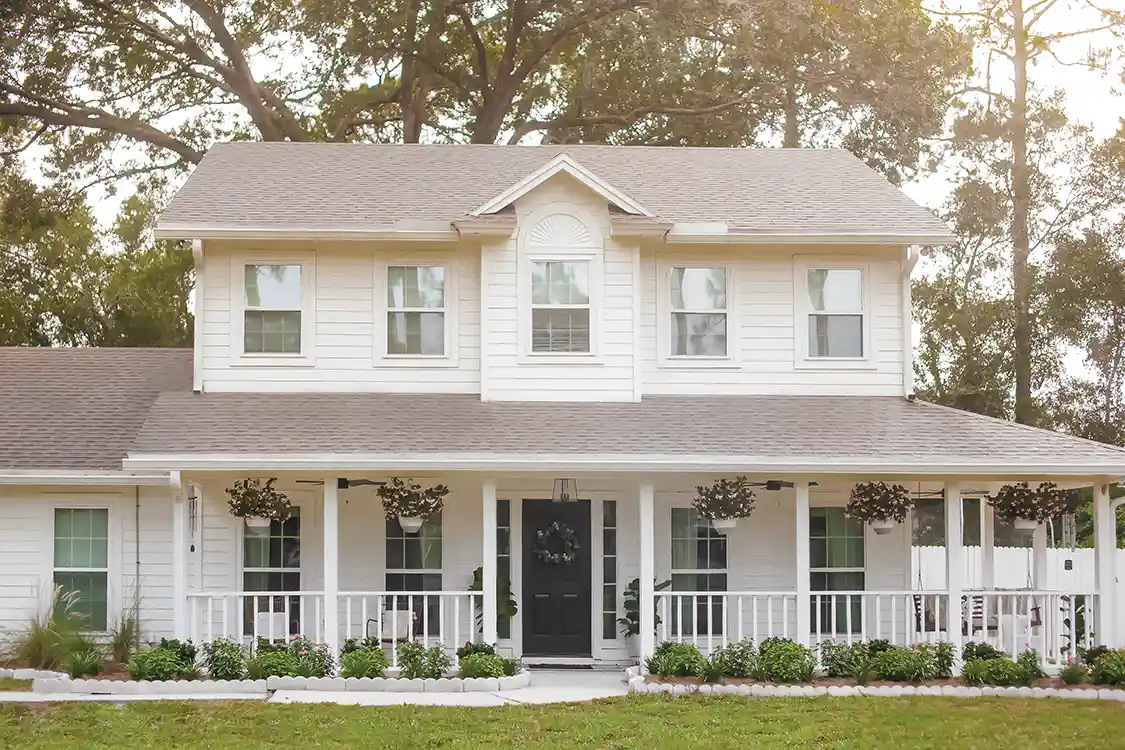
What kind of home makes you want to grow roots instead of move on? For Instagrammer Scarlett Knuth of White Florida Farmhouse, the answer is a farmhouse with lots of land and lots of opportunity for improvement. By the time she and her husband Stephen found this farmhouse in northern Florida, they had lived in seven different places. Built in 1992, the original homeowners were selling this home. “They were retirement age and ready to move to a condo on the beach,” Scarlett says. Attracted to the acre of land and the gorgeous oak tree out front dripping with Spanish moss, they pulled the trigger and have worked to make the house a place to stay, instead of a place to leave.
Finding Home
The process of living in so many different homes has led Stephen and Scarlett to figure out what they do and don’t like in a house. “We previously owned a much older farmhouse in the same area of town, but it was much more upkeep,” Scarlett says. “We went through a couple of hurricanes in that house, and my kids were babies. So I was ready to not have so much upkeep.” This farmhouse was built in 1992, so it has a newer structure without the chronic plumbing, electrical and roof problems so common to older houses.
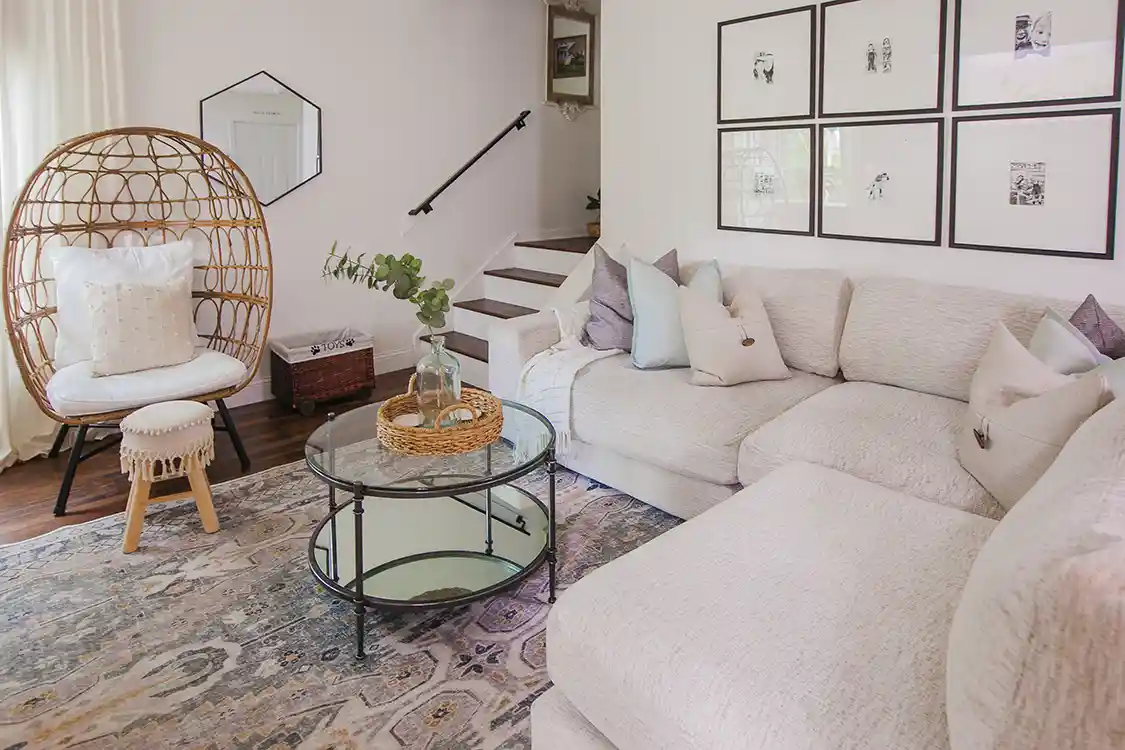
Scarlett was immediately drawn to the old tree out front, and the piece of land itself. “To find a good piece of land with a beautiful tree like that, that’s something you can’t change,” she says. “This was the kind of house where we could see
our kids coming home from college to visit. We’ve moved a lot, but this was the first house we could see ourselves staying at.”

’90s Home
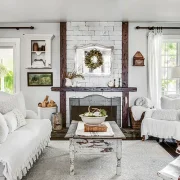
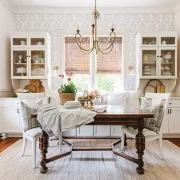
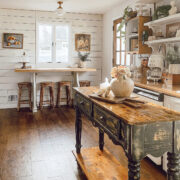
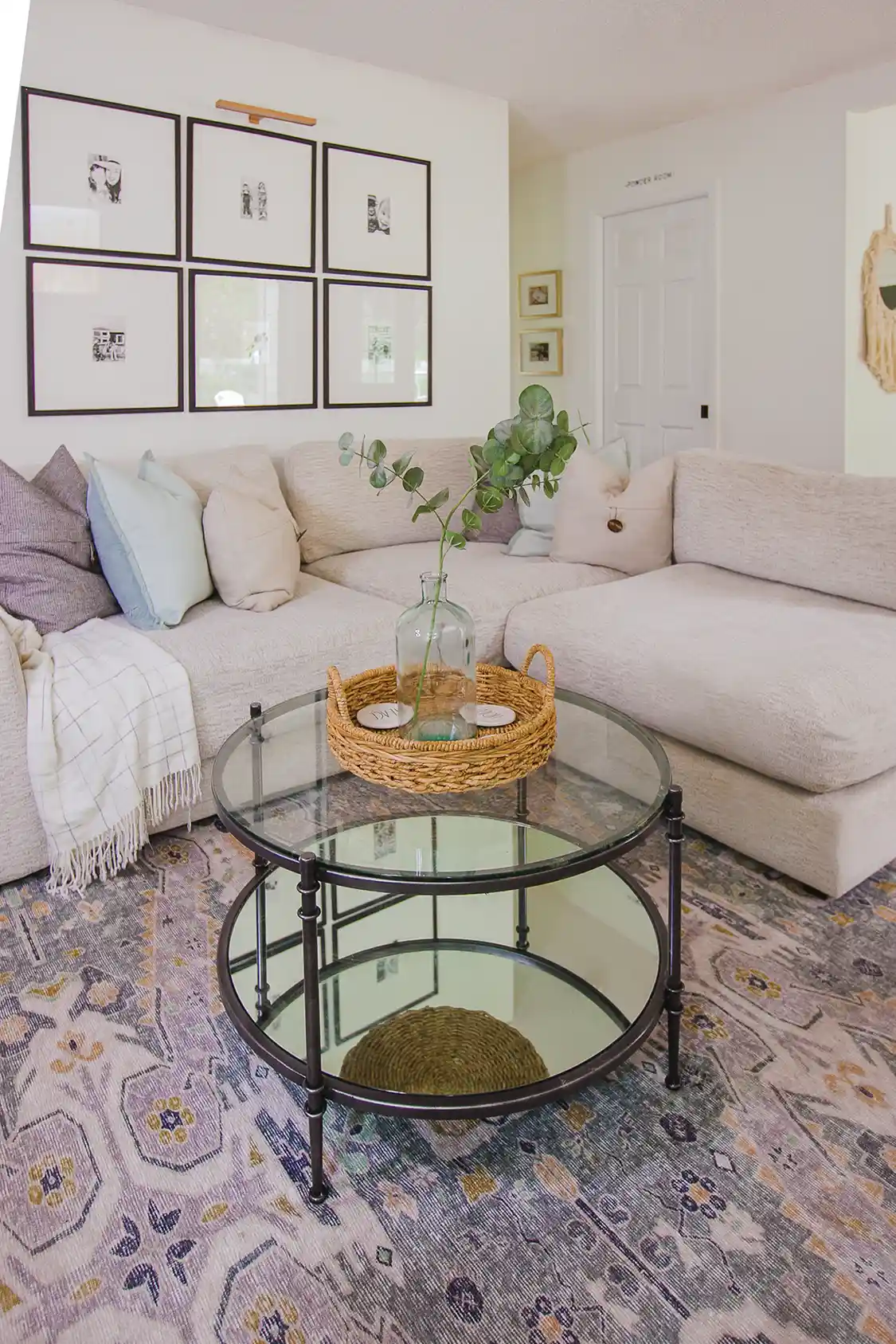
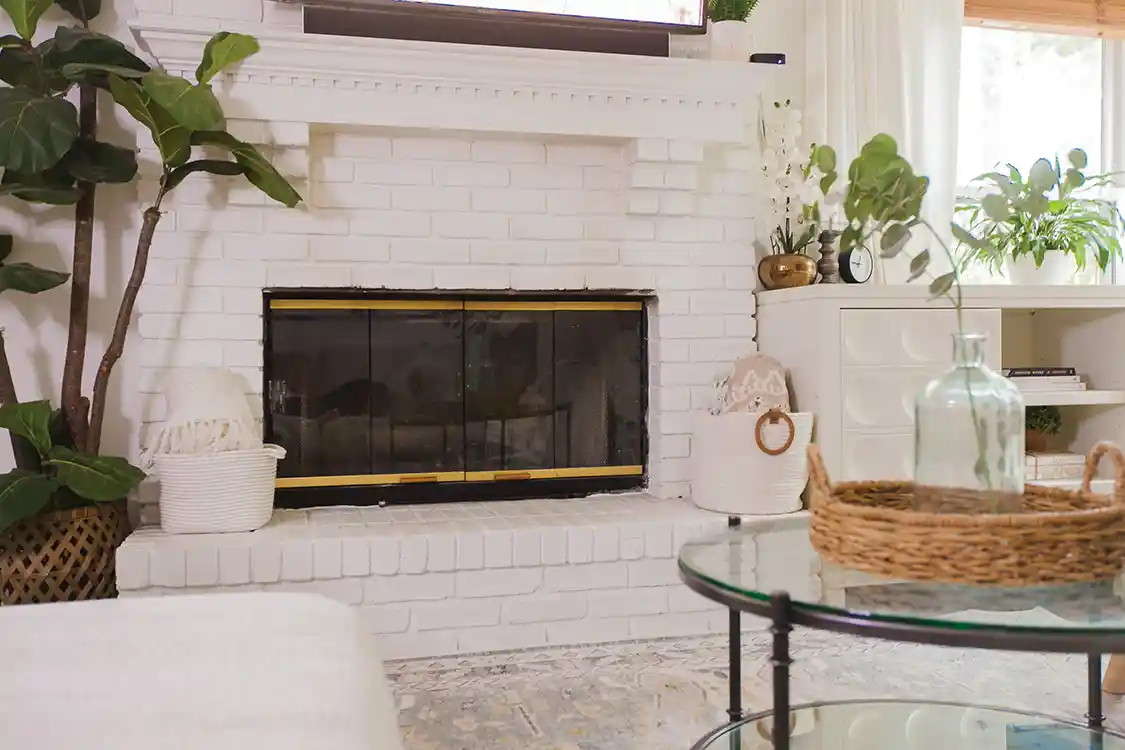
Since the original homeowners had lived in the house for almost 30 years, the décor and style were outdated and needed reworking. “I had to have a vision before we bought the house, because I had to sell it to my husband,” Scarlett says. “It wasn’t our style, so I had to tell him what I envisioned.” That vision included painting both the interior and exterior white, updating the kitchen and bathrooms and working on the outdoor spaces.

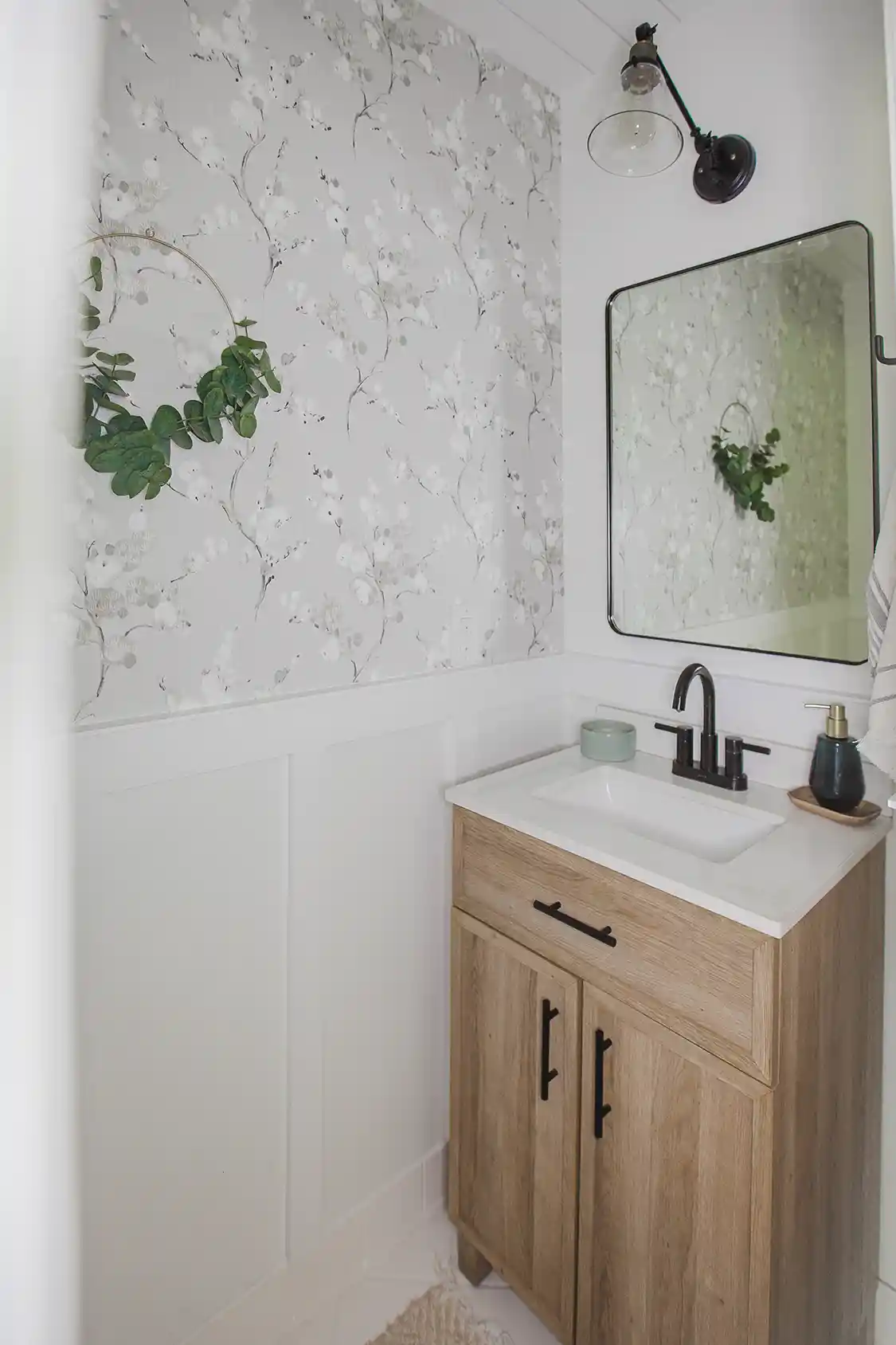
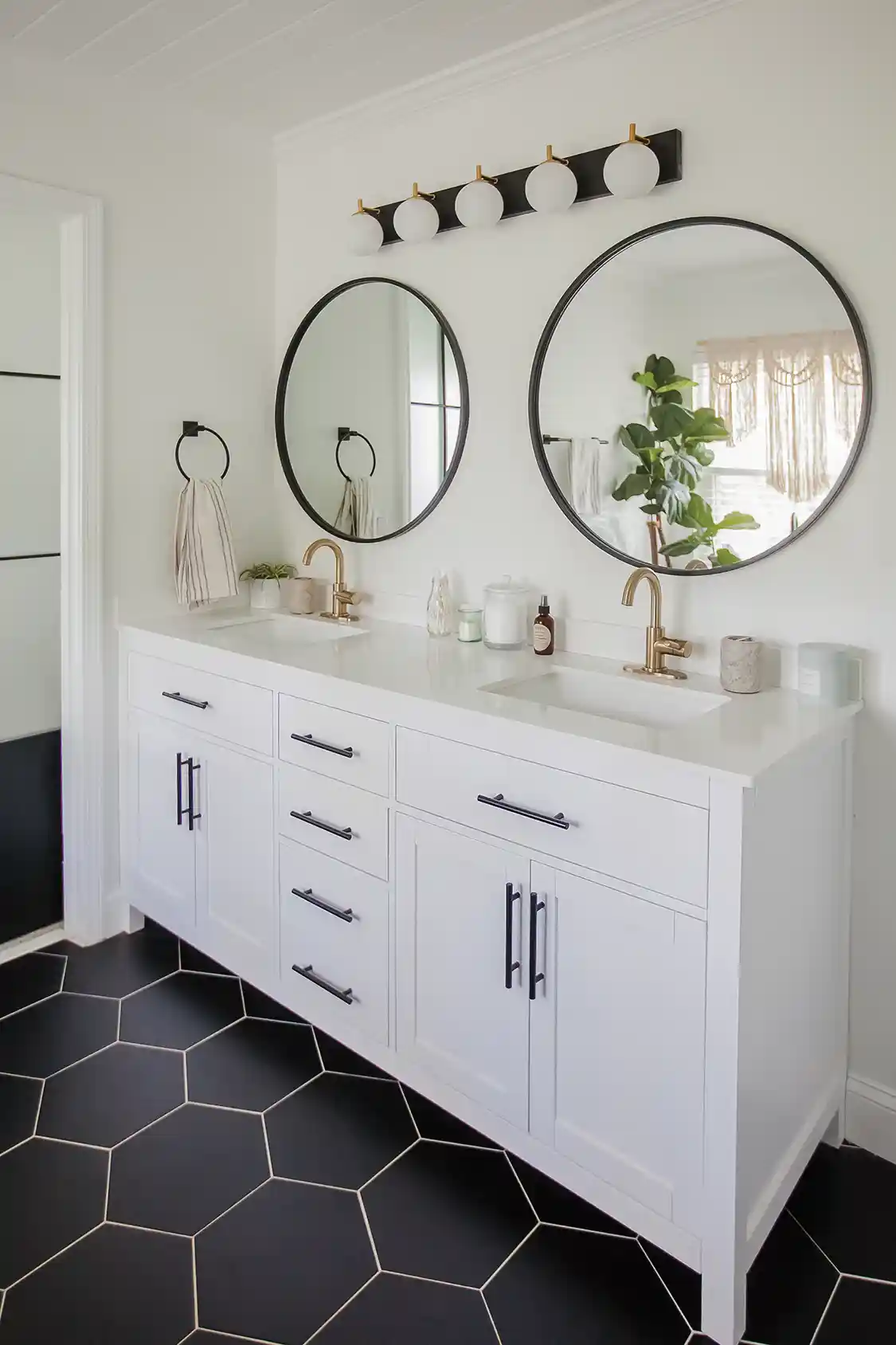
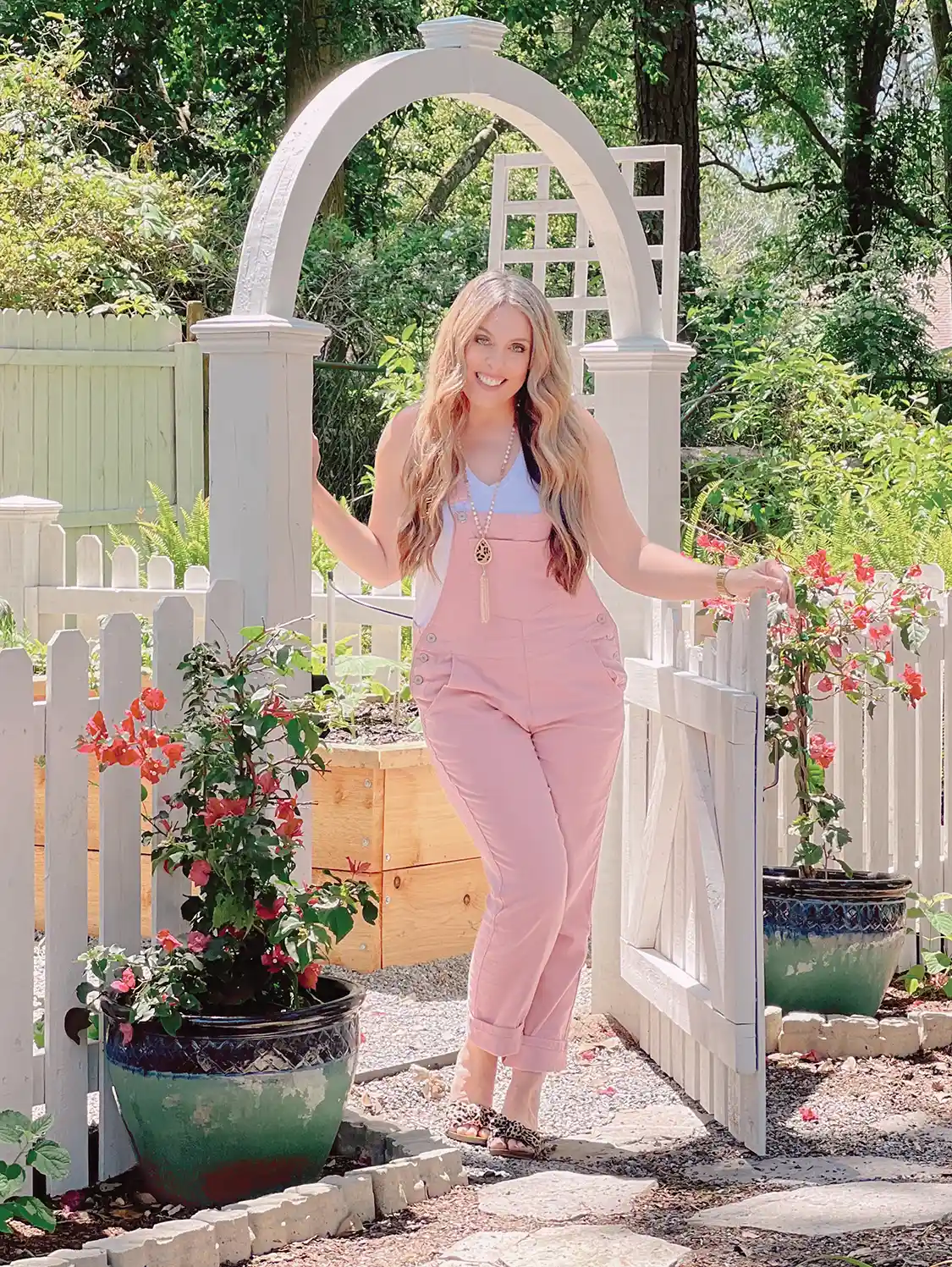
While Scarlett insists she and Stephen aren’t handy, they’ve done quite a few DIY projects since moving in 2021, including installing bathroom vanities, lighting, faucets, wall paneling, and of course, painting. “In my childhood, I wanted to be an architect, and I’ve always had a passion for design,” Scarlett says. “So it came full circle. My husband and I are not naturally handy, but my husband jokes that I can learn anything from YouTube University.”
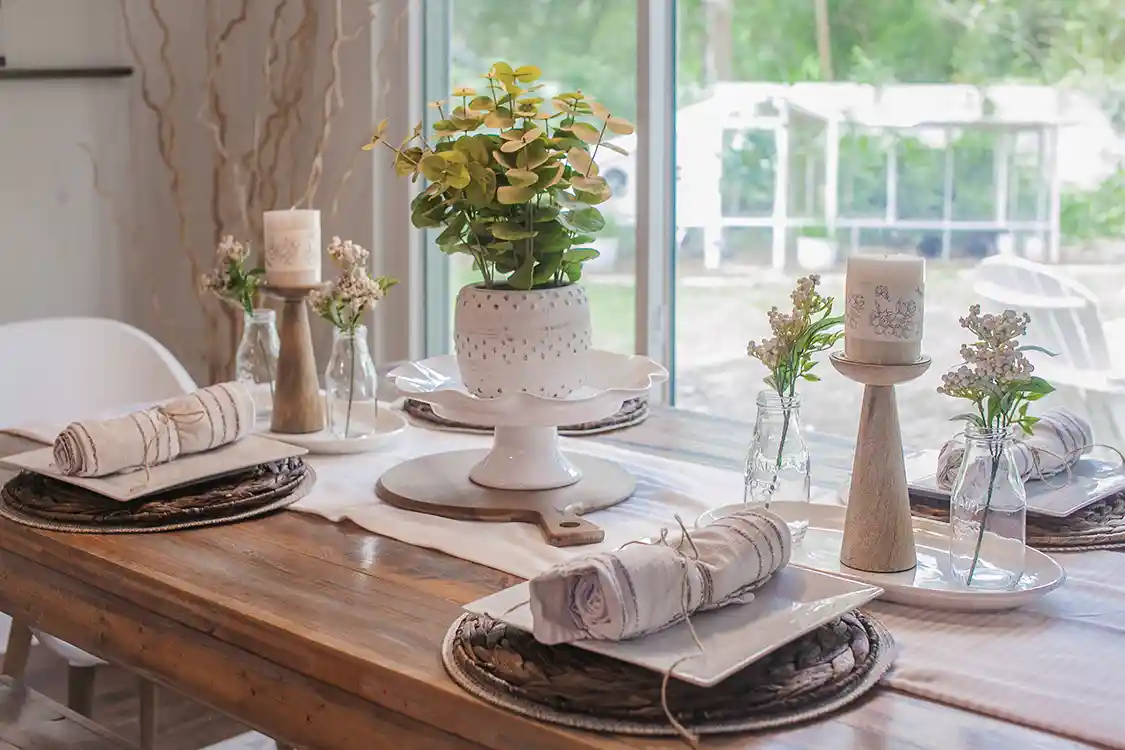
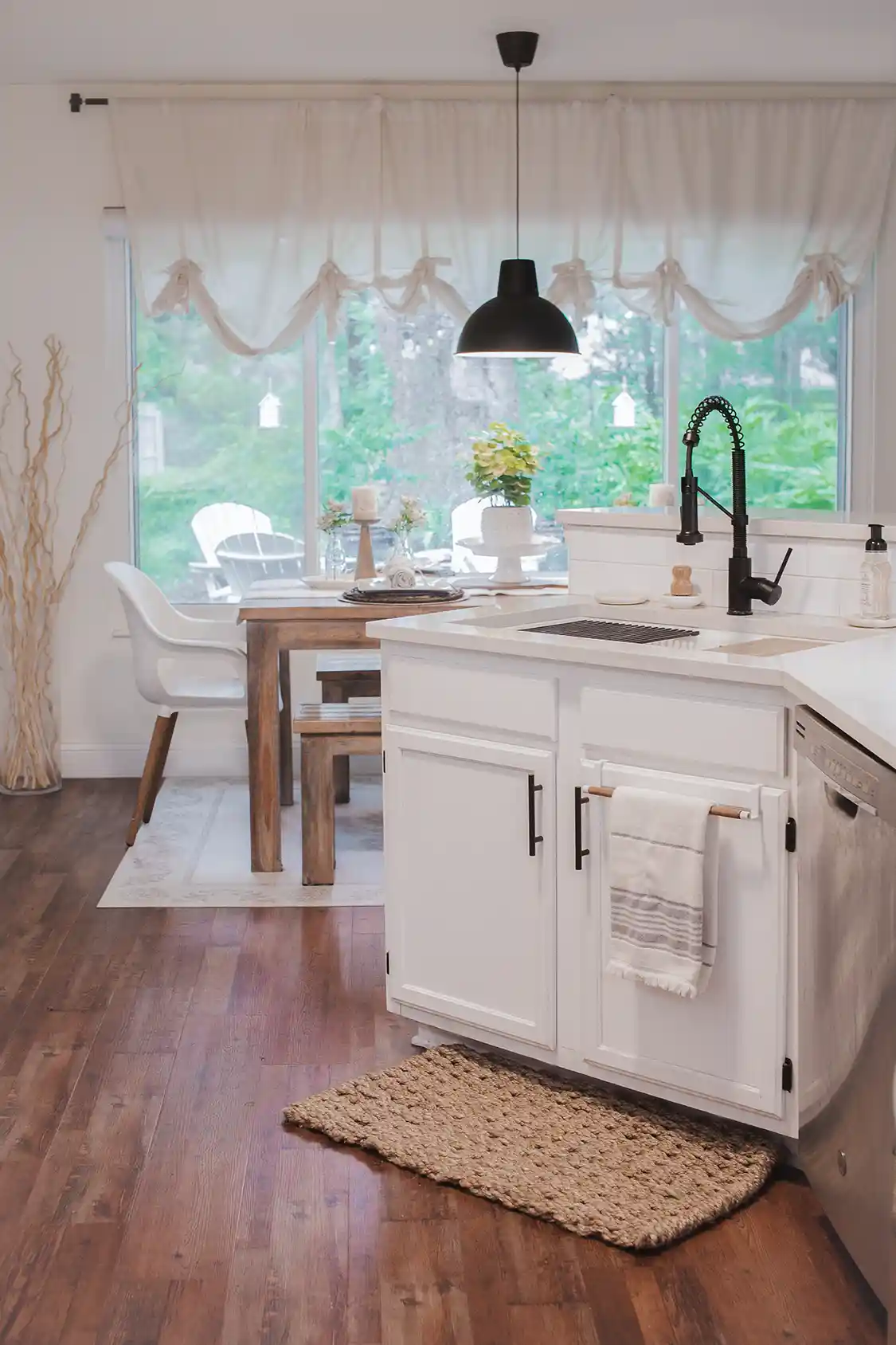
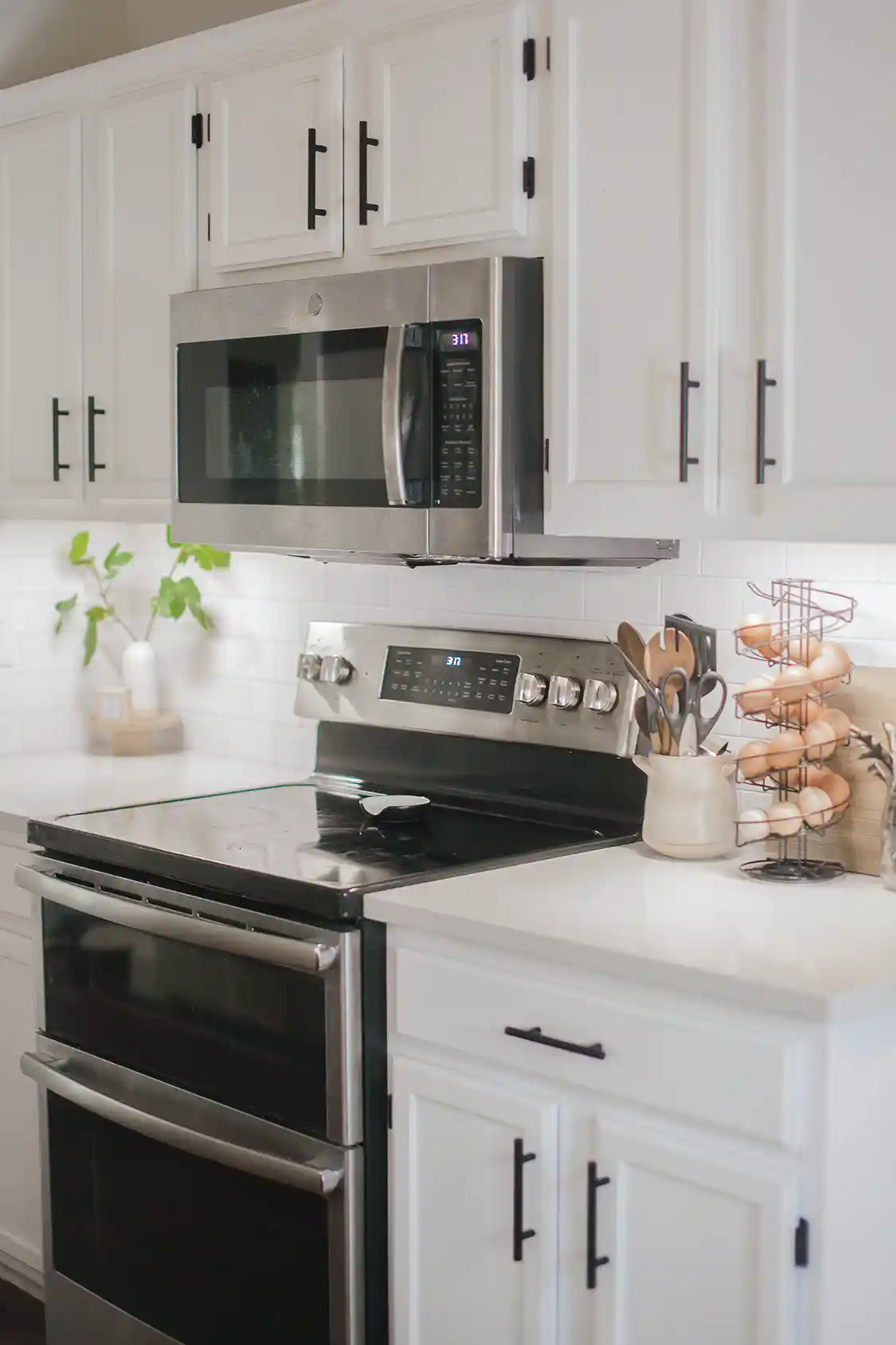
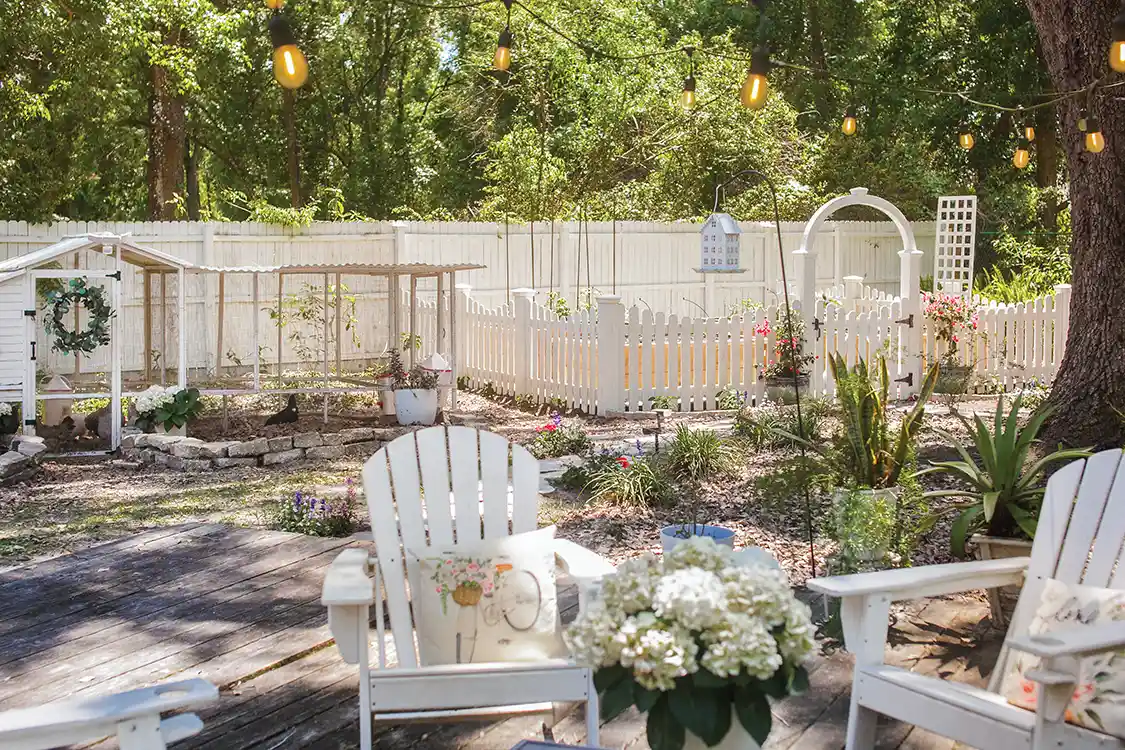
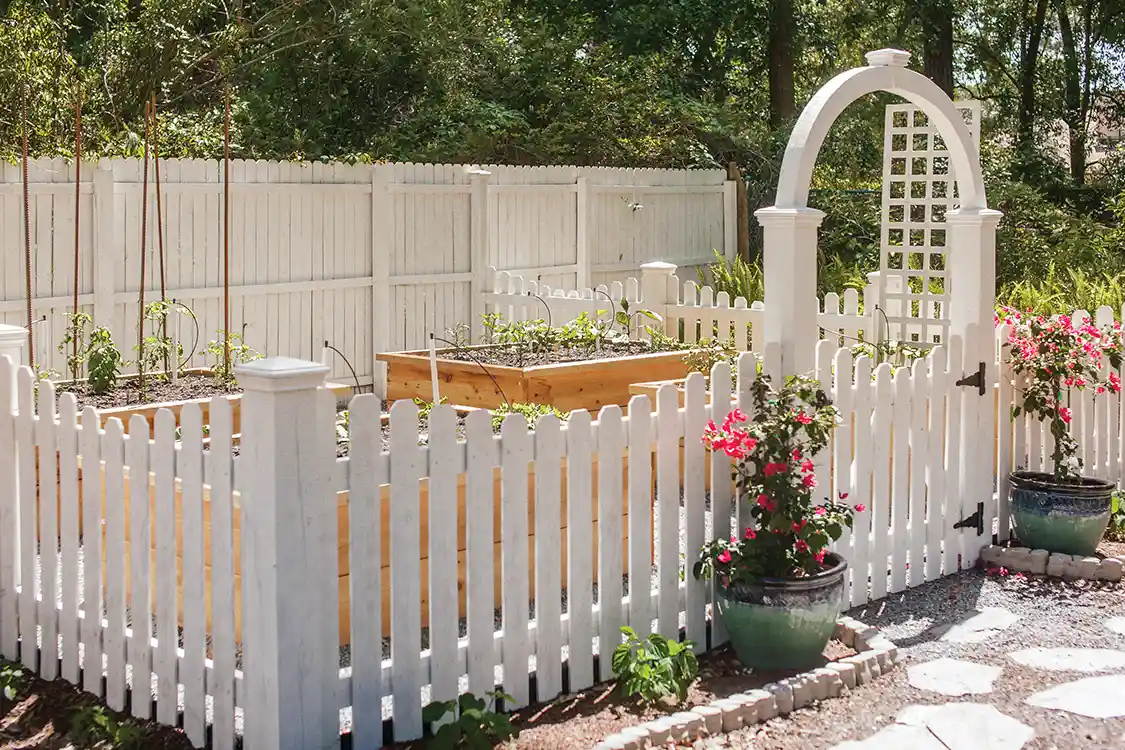
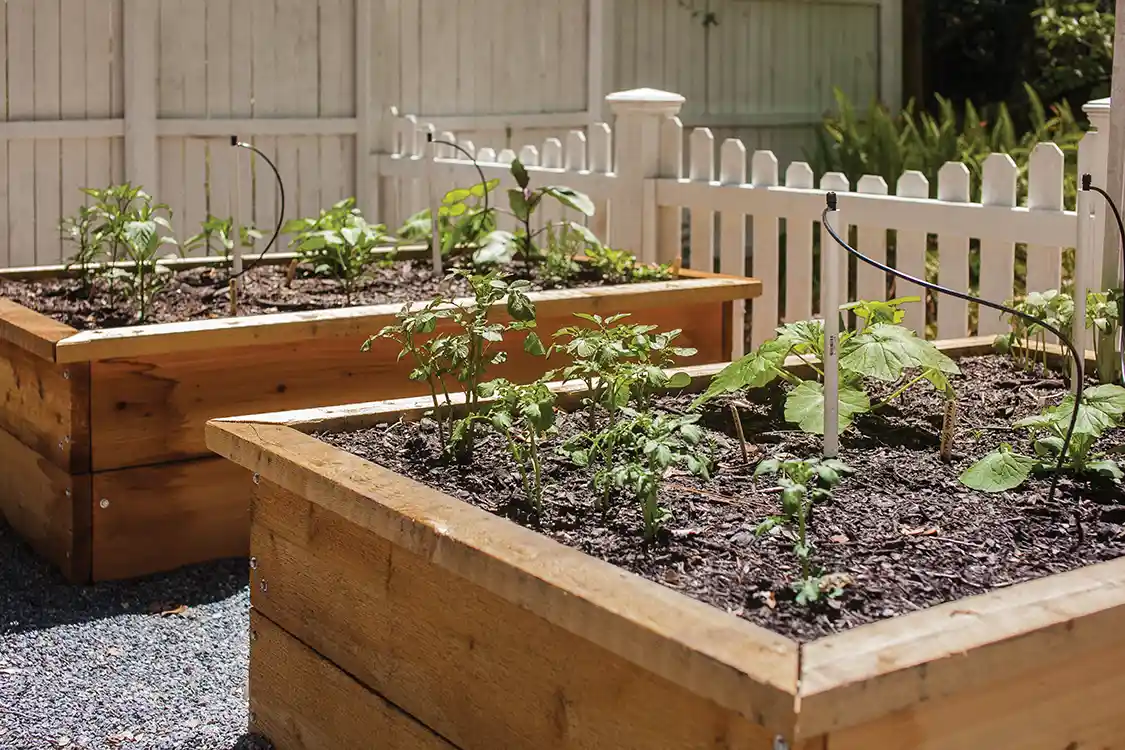
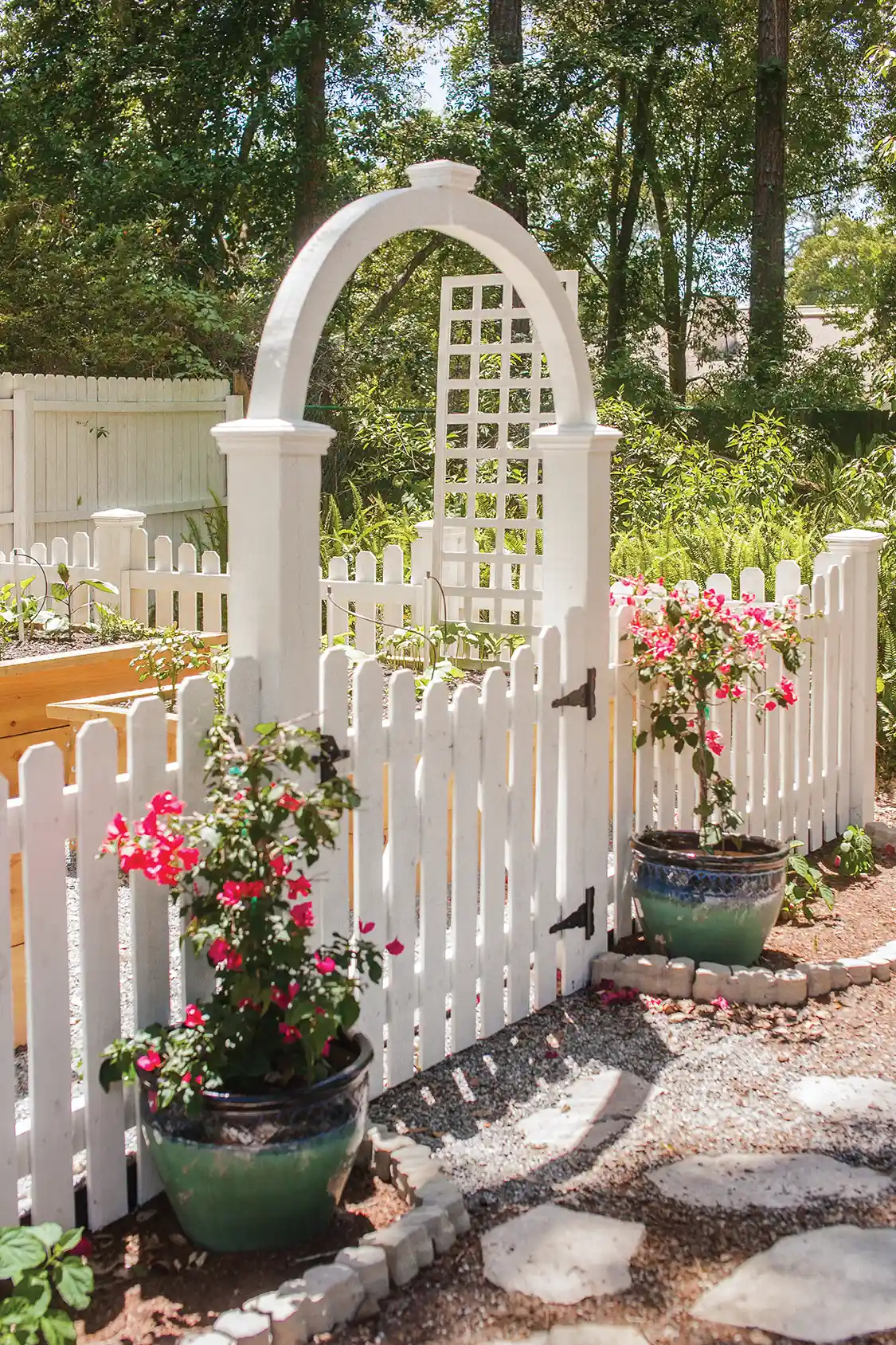
The couple has updated the kitchen and bathrooms, and just installed a raised bed garden in the backyard for their ongoing efforts at homesteading. “This house is going to be an ongoing project. It doesn’t have to be done all at once,” Scarlett says. “You get to a point where you ask, ‘Do I keep improving this house, or do I start looking on Zillow?’ But sometimes when I look on Zillow, I’ll get inspired to work on my current house.”
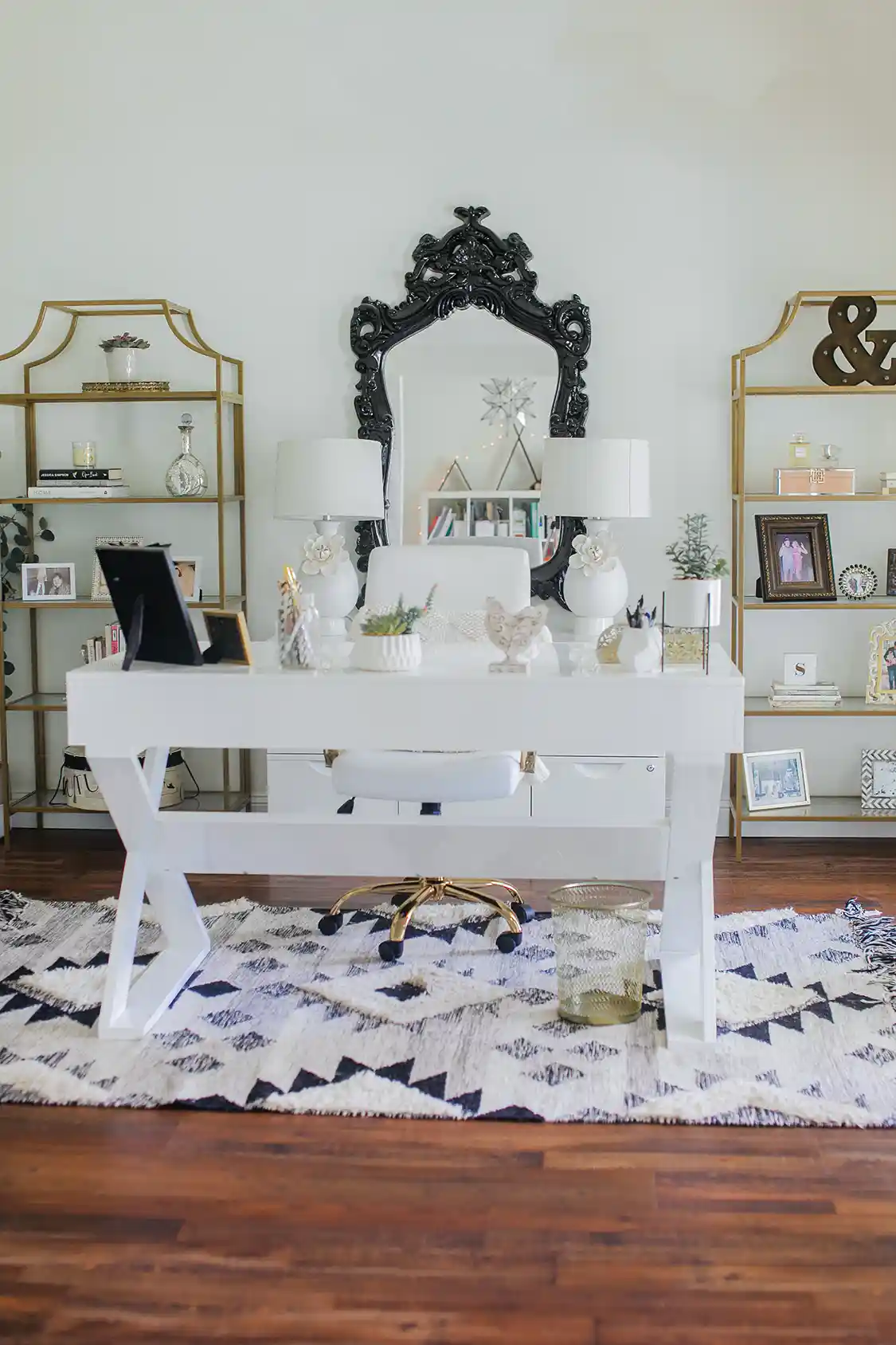
Now that they’ve been there three years, they like it even more than when they first moved in. “The whole reason I started my Instagram account was that I wanted it to be a love letter to this house,” Scarlett says. “I wanted to turn this into a house I love.”




3 Steps to Start Homesteading
An ongoing project for Instagrammer Scarlett Knuth of White Florida Farmhouse is to become more self-sufficient through homesteading. Here’s her advice for anyone looking to start.
Learning to homestead doesn’t mean you have to become a fully self-sufficient farm overnight. “Each step leads to another,” Scarlett says. Start with one or two steps you can take toward growing your own food or raising animals and learn that before moving on to anything else. “Start with learning to grow herbs, and try hydroponic gardening,” Scarlett says. “That’s gardening for beginners.”
Whether you want to grow food, raise animals or both, set realistic goals you can manage and work toward. “Make them realistic of what you’re capable of taking on,” Scarlett says. “There’s always a learning curve.” For example, start with a manageable number of animals to care for. “I started with three chickens, and it eventually grew to more,” she says. “But it was a good starting point for learning how to care for a flock.”
Don’t get discouraged when you fail; after all, practice makes perfect. “We went to a you-pick garden with cabbages,” Scarlett says. “I spent hours slicing up the cabbage to make my own sauerkraut. But within a couple of days, it all molded. I took it as a learning lesson, and it’s been a good lesson in letting go of perfection.”
Best Beginner Groceries to Grow
Scarlett has recently started growing her own groceries, and you can too, even with minimal space and experience. Here are the easiest plants to start your gardening journey.
“Start with learning to grow herbs,” Scarlett says. Basil, parsley, mint, oregano and cilantro are good candidates for indoors. If you have a sunny kitchen window, simply place several pots along the windowsill. You can also grow these plants outside for a constant source of fresh cooking herbs.
Tomatoes are notoriously easy to grow, but remember that you need a sunny spot for them. Smaller varieties such as cherry tomatoes are often easier than the larger-fruited tomatoes—plus, they’re so much sweeter than the cherry tomatoes you can buy in the store.
If you have a shaded bed or patio, greens are a wonderful way to start growing your groceries. Try kale, lettuce, cabbage and arugula for easy vegetables that you can grow and turn into delicious salads. “I’ve been able to grow a lot of great salad ingredients,” Scarlett says.
Some bulb and root vegetables can be easy over-winter vegetables to grow. Try carrots, spring onions, garlic and beets. Remember that some of these need to go into the ground in the late fall or early winter if you live in snowy regions. For warmer regions, you can plant them year-round.
To see more of Scarlett’s home visit White Florida Farmhouse on Instagram.


